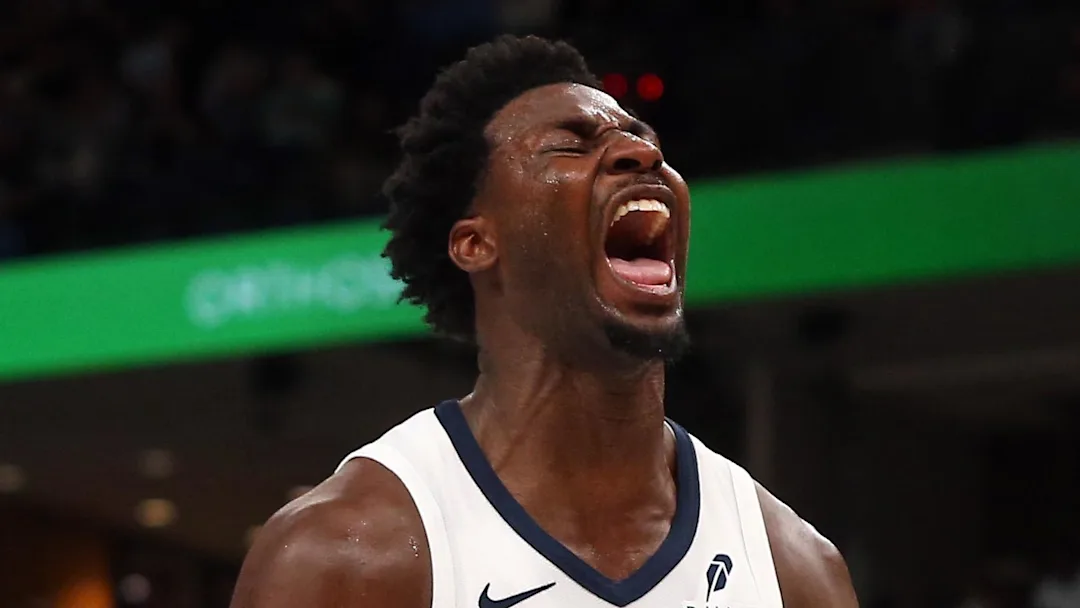
The recent trade of Jaren Jackson Jr. (JJJ) from the Memphis Grizzlies to the Utah Jazz has sent shockwaves through the NBA, particularly as the 2026 trade deadline approaches. On February 3, 2026, the Grizzlies sent Jackson Jr., along with John Konchar, Jock Landale, and Vince Williams Jr., to the Jazz in exchange for Walter Clayton Jr., Kyle Anderson, Taylor Hendricks, Georges Niang, and—crucially—three future first-round picks. This eight-player deal (some reports note variations in player count, but the core is consistent) marks a surprising blockbuster, with Memphis seemingly pivoting toward a rebuild amid ongoing questions about Ja Morant’s future, while Utah accelerates its contention timeline by pairing Jackson with Lauri Markkanen and others.
The headline from a Bucks perspective? As one analysis put it: “Jaren Jackson Jr. trade should thrill Bucks, and they weren’t even in it.” Milwaukee had no involvement in the deal, yet it directly benefits them by setting a new market benchmark for star big men. Jackson Jr., a former Defensive Player of the Year (2022-23), two-time All-Star, and elite rim protector/versatile defender, fetched exactly three first-round picks plus some young talent and salary fillers. This “low” return for a player of his caliber and age (26 at the time of the trade) has immediate implications for the Giannis Antetokounmpo sweepstakes.
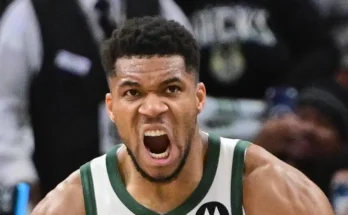
Giannis, the two-time MVP (2019, 2020), Finals MVP (2021), and still a top-3 talent when healthy, is in a dramatically different tier. At 31, he’s older than JJJ but remains far more dominant offensively and overall impactful. His career averages hover around 23-24 points, 9-10 rebounds, and 5-6 assists, with elite efficiency, playmaking, and defense. JJJ is an excellent defender and improving scorer (around 19-20 PPG career), but he’s not the offensive engine or gravity-puller Giannis is. If a strong-but-not-elite star like JJJ commands three firsts in a package loaded with role players and prospects, Giannis—widely viewed as one of the best players of his generation—should command significantly more.
League executives and analysts have noted this ripple effect. The JJJ return is seen as a “bargain” for Utah, but it raises the floor for what contending teams must offer Milwaukee. Pre-JJJ trade rumors had Giannis suitors like the Golden State Warriors, New York Knicks, Miami Heat, and Minnesota Timberwolves preparing packages often centered on 4+ first-round picks, young blue-chip talent (e.g., Jonathan Kuminga, Jaden McDaniels), and pick swaps. Post-trade, those offers might need to inflate further to compete, as the Grizzlies’ haul shows even “non-MVP” stars fetch substantial assets in this market.
Why does this thrill the Bucks? Milwaukee has been fielding calls on Giannis amid reported frustrations, but they’ve emphasized wanting a massive return—blue-chip young players, unprotected or lightly protected firsts, and swaps—to justify moving their franchise cornerstone. The JJJ precedent strengthens their negotiating position immensely. If a 26-year-old, defensively elite but offensively limited big man nets three firsts, Giannis (with his proven championship pedigree, sustained excellence, and two-way dominance) could realistically push toward 5-7 first-round picks, multiple swaps, and high-upside youth. Teams low on draft capital might be priced out entirely, forcing them to overpay or wait until the offseason when Milwaukee could demand even more.
Consider the context: The Bucks are contending but face roster questions around fit, injuries, and depth. Trading Giannis would signal a full rebuild, so they’d only do it for an overwhelming haul that jumpstarts a new era. The JJJ deal proves the market is hot for defensive bigs—Jackson’s blocks, versatility, and contract (with an extension looming) made him valuable, but Giannis offers far more. Executives have speculated that the Grizzlies’ return could “reshape” approaches league-wide, indirectly boosting Milwaukee’s leverage.
Of course, not all first-round picks are equal. The three Memphis received from Utah are future ones (likely including some protections or from specific years), plus young pieces like Taylor Hendricks (a recent lottery pick with upside). But the raw number—three—sets a baseline. For Giannis, packages mocked include:
- Warriors: Potentially 4-5 firsts + swaps + young talent like Kuminga/Podziemski.
- Knicks: Multiple firsts + Mikal Bridges/OG Anunoby equivalents + picks swaps.
- Others: Even wilder offers involving stars like Karl-Anthony Towns or Jaden McDaniels plus picks.
If JJJ went for three, Giannis won’t go for less than that—likely double or more in equivalent value. This could deter lowball offers and push serious suitors to go all-in, or it might convince Milwaukee to stand pat if no one meets the elevated bar.
In the end, the Bucks should indeed be thrilled. The JJJ trade, without their involvement, has quietly fortified their stance in one of the biggest potential blockbuster sagas of the season. Giannis’ value isn’t just holding—it’s rising in relative terms. Whether he stays in Milwaukee or forces a move, the Grizzlies’ decision has given the Bucks a stronger hand to play.