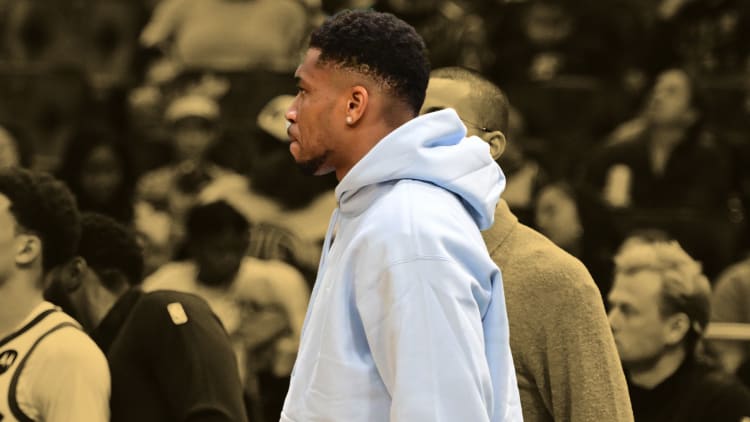
The analogy from Nick Wright, the outspoken FS1 analyst known for his bold takes on First Things First, paints a vivid and brutal picture of the Milwaukee Bucks’ relationship with their superstar Giannis Antetokounmpo. In comments made around the 2026 NBA trade deadline (which passed recently without a Giannis trade), Wright likened the situation to a dysfunctional marriage where the couple stays together “for the kids” despite constant fighting and emotional distance.
He reportedly said something along the lines of: “I think Bucks fans at this point are over it. Like you fight every Christmas, we know you sleep in separate rooms. You don’t have to keep the facade going.” The “kids” here metaphorically represent the shared history, the 2021 championship, the loyal fanbase, and the deep personal ties Giannis has built in Milwaukee—including his family life, his marriage and children born there, and even his father’s burial in the city. Wright’s point is that avoiding a dramatic move at the trade deadline doesn’t resolve the underlying cracks; it just prolongs an unhappy union that’s past its prime.
This commentary came in the context of intense speculation leading up to the February 2026 deadline. Giannis, the two-time MVP and Finals MVP, had been the subject of rampant trade rumors amid the Bucks’ underwhelming season (hovering around .500 or lower in the Eastern Conference standings at times). Reports suggested the Bucks were listening to offers, and Giannis was “ready and prepared” to move on if the right deal materialized. Teams like the Miami Heat, New York Knicks, or even the Los Angeles Lakers were floated as potential destinations. Yet, Milwaukee ultimately held firm, deciding to keep their franchise cornerstone and punt major decisions to the offseason.
Wright doesn’t blame the Bucks for refusing to trade Giannis midseason—he acknowledges the logistical and value challenges of moving a player of his caliber without getting fleeced. But he expresses disappointment as a “basketball fan,” calling it “another wasted year for Giannis.” In his view, the partnership has devolved into something toxic: periodic blowups (poor playoff exits, injury issues, roster misfires), emotional separation (Giannis’ frustration with the direction, hints of wanting more contention support), and a public pretense that everything is fine for the sake of appearances and stability.
To understand why Wright’s analogy resonates so strongly, consider the timeline of the Giannis-Bucks saga. Giannis arrived as a raw, lanky prospect in 2013 and grew into one of the league’s most dominant forces. Milwaukee built around him patiently, culminating in the 2021 title run that felt like a fairy-tale payoff. But post-championship, things soured. The Bucks tried bold moves—trading for Damian Lillard in 2023, hoping to form a superduo—but injuries, chemistry issues, and inconsistent supporting casts led to early playoff flameouts (e.g., first-round exits in recent years). By 2025-26, the core felt stale, the Eastern Conference remained brutal (with teams like Boston, Cleveland, and Philadelphia reloaded), and Giannis’ prime years (he’s now in his early 30s) appeared to be slipping away without another deep run.
Wright’s “fighting every Christmas” line evokes holiday gatherings where underlying resentments explode—perhaps mirroring the Bucks’ pattern of strong regular-season stretches followed by postseason collapses that leave everyone questioning the fit. “Sleeping in separate rooms” suggests a lack of intimacy or trust: Giannis has publicly expressed loyalty and love for Milwaukee (famously declaring his deep roots there, including family milestones), but his on-court body language and postgame comments sometimes hint at frustration with the organization’s direction. Meanwhile, the front office has invested heavily in continuity rather than blowing it up, creating a stalemate.
Critics of Wright’s take argue it’s overly dramatic. Giannis has repeatedly emphasized his commitment—he’s never demanded a trade, and after the deadline passed, he posted a lighthearted Wolf of Wall Street clip seemingly celebrating staying put (a meme implying “I’m not leaving”). Some see the decision to stand pat as pragmatic: trading a player of Giannis’ value midseason rarely yields fair returns, and the Bucks believe they can retool around him in the summer with cap flexibility, draft assets, or targeted additions. Fans point to his emotional defenses of Milwaukee, like reminding doubters that his family life is intertwined with the city.
Still, Wright’s core argument holds weight: sticking together without addressing root problems doesn’t magically fix them. The Bucks’ avoidance of a deadline deal might preserve short-term stability and give Giannis one more shot at redemption in Milwaukee, but it risks another year of mediocrity. If the offseason brings no meaningful upgrades—or if Giannis’ patience finally wears thin—the “divorce” Wright implies could become inevitable.
In the end, this isn’t just about basketball; it’s about legacy, loyalty, and timing. Giannis has given Milwaukee everything, and the city has reciprocated with adoration and a championship. But as Wright suggests, sometimes love isn’t enough when the spark fades and the fights become routine. Whether the Bucks can reignite that flame or if separation becomes the healthiest path remains one of the NBA’s biggest storylines heading into the summer of 2026. For now, the facade holds—but the separate rooms feel increasingly real.