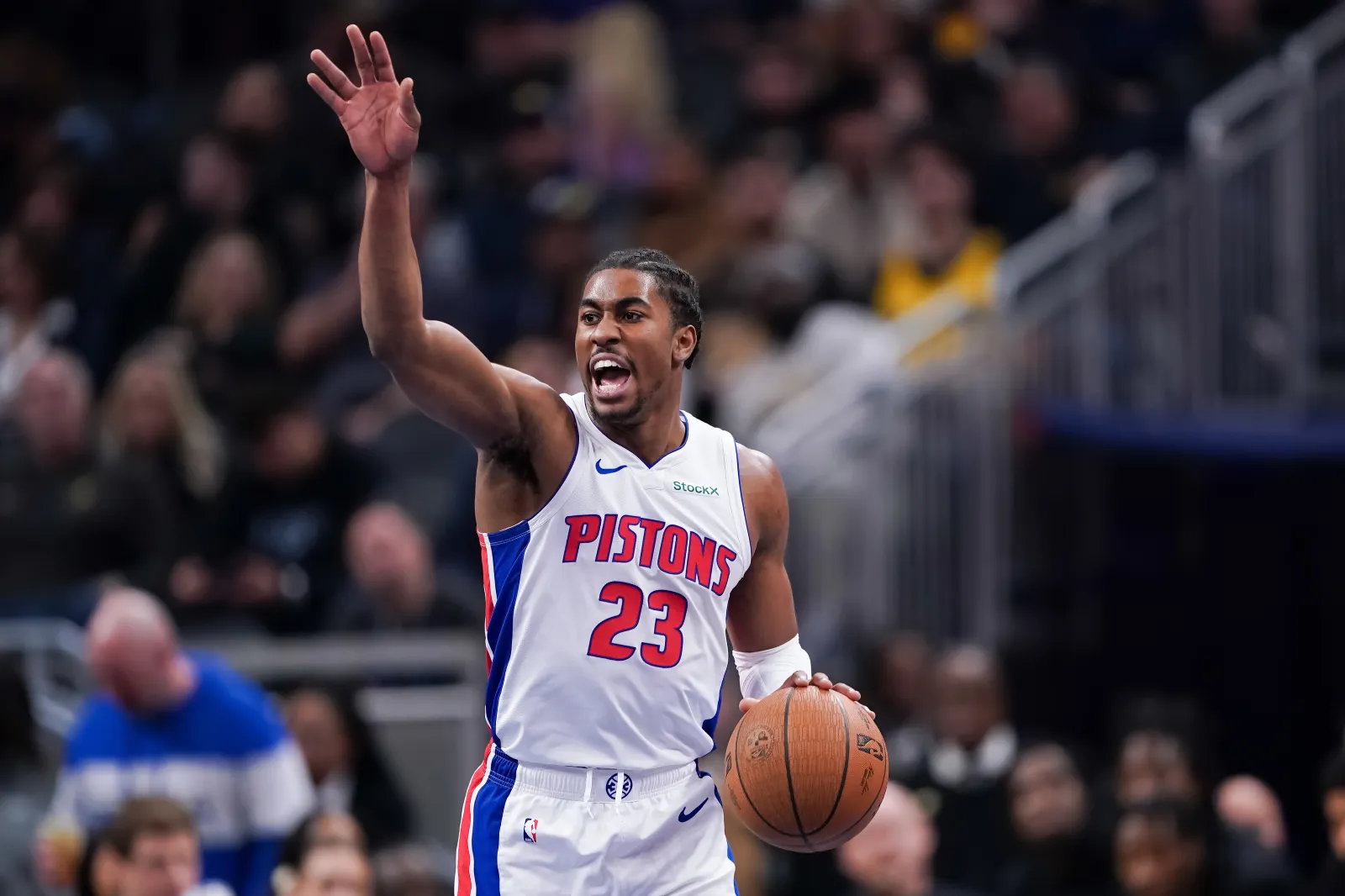
The situation surrounding Jaden Ivey has quickly turned from a routine roster move into something far more layered, emotional, and controversial. What might have initially looked like a standard release by the Chicago Bulls has now evolved into a public back-and-forth filled with personal conviction, questions about accountability, and broader commentary that stretches beyond basketball itself. Ivey’s response hasn’t just been a reaction—it’s been a statement, one that’s sparked debate across the league and among fans about where the line exists between personal beliefs and professional responsibilities.
After being waived, Ivey didn’t stay quiet. Instead, he addressed the situation head-on, challenging the narrative surrounding his exit and pushing back against the idea that his actions were “detrimental” to the team. From his perspective, there’s a disconnect between what actually happened and how it’s being portrayed publicly. He specifically pointed to his absence during rehab, suggesting that it contradicts the claims being made about his conduct. That alone introduces a layer of complexity, because situations involving injuries, team expectations, and communication can often be misunderstood or misrepresented depending on who’s telling the story.
But Ivey didn’t stop at defending his actions. He took things a step further by speaking on faith, making comments that reached beyond basketball and into deeply personal territory. Referencing the idea that success in the NBA won’t matter “on Judgment Day,” he reframed the conversation entirely. Suddenly, this wasn’t just about a player being released—it became a broader reflection on values, priorities, and how athletes view their purpose both inside and outside the game. Statements like that naturally draw strong reactions, especially when they intersect with public figures and widely respected names across the league.
His mention of Stephen Curry added another dimension to the conversation. Curry is widely known not just for his on-court greatness but also for being open about his faith, making Ivey’s comments particularly striking. Whether intended as a direct critique or a broader philosophical statement, bringing Curry into the discussion ensured that the story would gain even more attention. It raises questions about interpretation—was Ivey challenging individuals, or was he challenging the way faith is perceived and discussed within professional sports? Either way, it amplified the reach of his message and guaranteed that it wouldn’t be ignored.
There’s also the emotional side of being waived that can’t be overlooked. For any player, especially someone once viewed as a high-upside talent, being released is more than just a professional setback. It’s personal. It can feel like rejection, like a judgment not only of performance but of character and fit within an organization. For Ivey, that emotional response seems to have fueled his willingness to speak out. Instead of taking a quiet, reflective approach, he chose to confront the narrative directly, making it clear that he doesn’t agree with how things have been framed.
At the same time, teams operate with their own set of expectations and standards. The Bulls, like any organization, are focused on maintaining structure, discipline, and cohesion within the locker room. When they label something as “detrimental conduct,” it suggests that, from their perspective, there were issues that went beyond simple performance. The challenge in situations like this is that the full story is rarely public. Fans and analysts are left piecing together fragments—team statements, player responses, and media reports—without having complete insight into internal dynamics. That gap in information often leads to speculation, and in this case, it has only intensified the conversation.
Ivey’s insistence that he will continue “speaking the truth” despite backlash is another key element of this situation. It signals that he’s not concerned with smoothing things over or aligning with a more conventional, diplomatic response. Instead, he’s leaning into his perspective, even if it creates friction. That kind of defiance can be polarizing. Some will see it as authenticity and courage—someone standing firm in their beliefs regardless of consequences. Others may view it as unnecessary or even damaging, particularly in a league where relationships, reputation, and professionalism play significant roles in career longevity.
The reaction from fans and the broader basketball community has been mixed, which is typical for situations that blend sports, personal belief systems, and public criticism. Some people appreciate Ivey’s willingness to speak openly about faith and values, especially in an environment that often prioritizes performance above all else. Others are more focused on the basketball side, questioning whether this kind of public response helps or hurts his chances of finding another opportunity in the league. In the NBA, perception matters, and front offices are always evaluating not just talent, but how a player fits into team culture.
There’s also a broader conversation here about how athletes navigate their platforms. Modern players are more vocal than ever, using interviews and social media to express their thoughts on a wide range of topics. That visibility comes with both influence and scrutiny. When statements touch on sensitive or deeply personal subjects, the reaction can be immediate and intense. Ivey’s comments fall squarely into that category, ensuring that his voice is heard but also opening the door to criticism and debate.
From a career standpoint, the focus now shifts to what comes next. Talent alone doesn’t guarantee opportunity, but it remains a critical factor. If Ivey can demonstrate that he’s healthy, committed, and capable of contributing on the court, there will likely be teams willing to give him another chance. The NBA is, at its core, a results-driven league. However, situations like this can influence how quickly those opportunities come and under what conditions. Teams will weigh the potential upside against any perceived risk, both on and off the court.
At the same time, moments like this can become turning points. Some players use adversity as fuel, channeling frustration into performance and proving doubters wrong. Others struggle to regain footing if narratives around them become too dominant. Which path Ivey takes will depend on how he balances his convictions with the practical realities of being part of a professional organization. It’s not about abandoning beliefs, but about navigating how and when to express them in a way that aligns with career goals.
The mention of faith, judgment, and purpose adds a layer that goes beyond typical sports discourse. It introduces questions about identity—who a player is beyond basketball, what they stand for, and how they define success. For Ivey, it’s clear that those questions matter deeply. His comments suggest that he sees his journey as something bigger than the game itself, and that perspective is shaping how he responds to this moment. Whether people agree or disagree, it’s a reminder that athletes are not just performers; they’re individuals with beliefs, values, and personal frameworks that guide their decisions.
Ultimately, this situation is about more than a roster move. It’s about narrative, perception, and the intersection of personal conviction with professional expectations. The Bulls made a decision based on their assessment of the situation. Ivey responded based on his perspective and beliefs. The truth likely exists somewhere within a broader context that isn’t fully visible to the public. What’s clear is that this story has resonated because it touches on multiple layers—competition, identity, faith, and the challenges of navigating all of those things in a highly visible, high-pressure environment.
As the dust settles, attention will shift from what was said to what happens next. How Ivey moves forward, how teams respond, and how the narrative evolves will determine the long-term impact of this moment. For now, though, it stands as a vivid example of how quickly a standard NBA transaction can become something much bigger when emotion, belief, and public platforms collide.