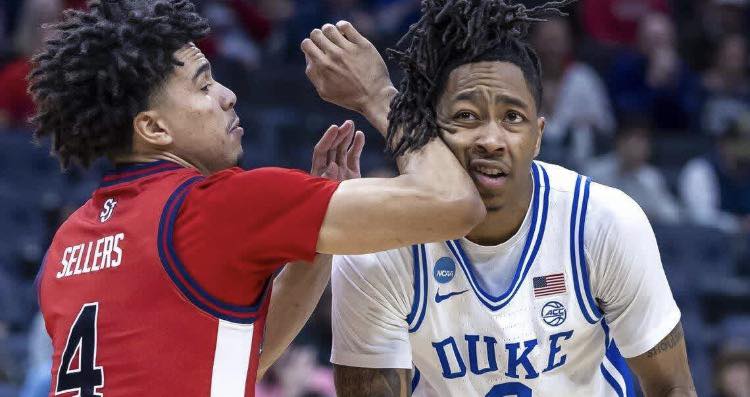
In recent weeks, the Duke men’s basketball program has found itself at the center of an intense media spotlight, with narratives swirling about “hater madness,” unfair officiating, and controversial calls—or the lack thereof. While criticism and scrutiny are part and parcel of high-profile sports, the volume, tone, and consistency of the coverage have raised questions about whether Duke is being unfairly targeted or if there’s a deeper issue at play.
The statement, “I welcome criticism, but watch the game and see the no-calls and controversies unfold before your eyes,” underscores a growing frustration from players, coaches, and fans who believe that bias, inconsistency, and questionable officiating are impacting the integrity of the game. This article delves into the roots of these claims, examines specific incidents, explores media narratives, and discusses the broader implications for college basketball.
The Rise of Media Hater Madness: Context and Origins
In the age of social media and instant commentary, the narrative surrounding Duke basketball has shifted dramatically. Historically renowned as a powerhouse program with a storied legacy, Duke continues to attract passionate fans and fierce critics alike. Recently, however, a surge of media narratives accusing Duke of “hater madness” has emerged, fueled by perceived injustices on the court.
Some commentators argue that the media has been overly critical or biased against Duke, often highlighting controversial officiating decisions that seem to favor or disadvantage the Blue Devils. The term “hater madness” reflects frustration with what some perceive as unfair treatment, a sense that Duke and its players are being unfairly scrutinized or even targeted.
Officiating Controversies: The No-Calls and Their Impact
One of the primary concerns voiced by Duke supporters and players revolves around officiating inconsistencies—particularly no-calls on obvious fouls against Duke players and questionable calls in key moments. These missed calls are not merely trivial errors; they can influence the momentum of a game, sway outcomes, and cast doubt on the fairness of the competition.
Key Incidents Highlighted:
Late-Game No-Calls: In recent matchups, Duke players have complained about fouls that were clearly committed but not whistled by referees. For instance, in a recent game against a top-ranked opponent, a Duke star was aggressively fouled on a crucial shot attempt but no foul was called, leading to frustration and accusations of bias.
Physical Play and No-Calls: Opponents often engage in aggressive, physical defense against Duke’s skilled players. When these physicalities go uncalled, it raises questions about consistency and fairness. Critics argue that Duke’s opponents are allowed to play rough with impunity, giving them an unfair advantage.
Game-Changing Moments: Several pivotal moments have been marred by missed calls or controversial officiating decisions, directly affecting the flow and outcome of the games. These moments become focal points for media narratives and fan protests.
The Media’s Role in Shaping the Narrative
The media, both traditional outlets and social platforms, are central to shaping public perception of these controversies. Some outlets have amplified Duke’s grievances, framing them as part of a broader “hater madness” that seeks to undermine the program’s reputation.
Media Bias Allegations:
Selective Highlighting: Critics argue that certain media outlets disproportionately highlight Duke’s frustrations while downplaying similar issues faced by other top programs. This selective coverage fuels accusations of bias.
Sensationalism and Clickbait: Headlines emphasizing conspiracy theories or framing Duke as the victim of unfair officiating generate buzz and engagement, sometimes at the expense of nuanced analysis.
Commentary and Analysis: Some analysts have offered perspectives suggesting that the officiating inconsistencies are part of the game’s human element, while others see them as systemic issues needing addressing.
The Broader Context: College Basketball and Officiating Challenges
Officiating in college basketball is inherently challenging. With numerous games each week, multiple referees, and complex rules, mistakes are inevitable. However, the frequency and impact of these errors, especially in high-stakes situations, have led to calls for reform.
Challenges Include:
Subjectivity of Calls: Many fouls and violations are judgment calls, susceptible to human bias and perception.
Inconsistent Standards: Different officials may interpret rules differently, leading to uneven enforcement across games.
Technological Limitations: While video review and instant replay have improved accuracy, they are not foolproof and often limited to specific scenarios.Despite these challenges, critics argue that the consistency and transparency of officiating should be prioritized to maintain fairness and integrity.
Player and Coach Perspectives: Frustrations and Responses
Duke players and coaches have publicly voiced their frustrations, emphasizing the emotional and competitive toll of perceived unfair officiating. Some have spoken about the mental distraction caused by controversial no-calls, which can shift the momentum of a game.
Player Reactions:
“It’s hard enough to compete against the other team without feeling like the refs are against us,” said a Duke guard after a game marred by missed calls.
“We work hard all week, and when calls aren’t made, it’s frustrating. It affects us mentally and physically,” added a key player.Coach’s Comments:
Duke’s head coach has called for more accountability and consistency from officials, emphasizing the importance of fair play.
“We respect the officials, but we also expect them to do their jobs fairly. When calls are missed or inconsistent, it hurts the game and the players,” he stated.
Fan and Community Reactions: The Power of Passion
Duke’s passionate fanbase has rallied around the team, voicing their frustrations on social media and in public forums. Hashtags like #FairPlayDuke or #RefereeBias trend during game days, highlighting perceived injustices.
The broader community of college basketball fans is divided—some believe that officiating errors are part of the game’s human element, while others see the current system as flawed and in need of overhaul.
The Role of Accountability and Reform
Calls for reform include:
Enhanced Training: Better training for officials to improve consistency.
Use of Technology: Expanding video review capabilities to ensure more accurate calls.
Transparent Reporting: Publishing officiating statistics and accountability reports to build trust.
Independent Oversight: Establishing bodies to oversee officiating and address grievances.
Implementing these reforms could reduce controversies and restore confidence in the fairness of college basketball.
The Impact on Duke’s Reputation and Future
The media narratives and controversies have tangible consequences for Duke:
Reputation: Persistent accusations of bias can tarnish the program’s reputation for integrity and fairness.
Player Morale: Ongoing frustrations may affect players’ focus and mental health.
Recruitment: Perceptions of unfair officiating and media bias could influence prospective recruits’ decisions.
Nevertheless, Duke’s storied history, commitment to excellence, and dedicated fanbase serve as buffers against lasting damage. The program’s leadership continues to advocate for fairness and transparency.
Recognizing the Human Element in College Basketball
While criticism and controversy are part of competitive sports, it’s vital to recognize the human element behind the disputes. Mistakes happen, but systemic issues require attention and reform. The media’s role in amplifying these concerns should be balanced with objective analysis and accountability.
The phrase “I welcome criticism, but watch the game and see the no-calls and controversies unfold before your eyes” underscores the importance of personal observation and critical thinking. Fans, analysts, and officials alike must reflect on how to improve the game’s fairness and uphold its integrity.
The narrative surrounding Duke’s current challenges encapsulates a broader debate about officiating, media bias, and the integrity of college basketball. While frustrations are valid, constructive dialogue, reform, and transparency are essential to moving forward. Ultimately, the goal is to ensure that the game remains fair, exciting, and true to its spirit—where skill, effort, and sportsmanship define success, and every team, including Duke, can compete on a level playing field.