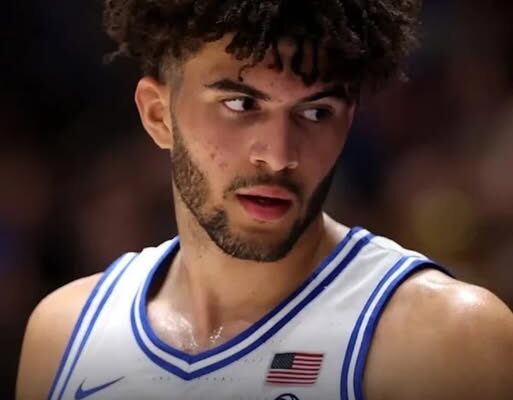
In a stunning development that has sent ripples through the college basketball and NBA communities, sources confirm that Cameron Boozer, the highly touted sophomore forward from Duke University, has decided to withdraw his name from the 2026 NBA Draft and will return to Duke for another season. This decision marks a significant turning point in Boozer’s career trajectory, signaling his commitment to further developing his game, pursuing team success, and perhaps reshaping perceptions of his potential among NBA scouts and analysts.
This article provides an in-depth analysis of Boozer’s decision, the factors influencing it, the implications for Duke’s upcoming season, and what this means for Boozer’s future in basketball.
Who Is Cameron Boozer?
Cameron Boozer, son of NBA legend Carlos Boozer, emerged as one of the most promising young talents in college basketball. Standing at 6’10” with a versatile skill set that includes scoring, rebounding, and defensive prowess, Boozer quickly drew attention from recruiting analysts and NBA scouts. His smooth offensive game, coupled with his ability to stretch the floor and defend multiple positions, made him a highly coveted prospect within the college basketball landscape.
During his freshman year at Duke, Boozer showcased glimpses of his potential, displaying advanced skills for his age, high basketball IQ, and a competitive edge that endeared him to Blue Devils fans. His development was viewed as crucial for Duke’s hopes of competing for a national championship, and many anticipated a significant leap forward in his sophomore year.
The Significance of the NBA Draft Decision
For young prospects like Boozer, the decision to declare for the NBA Draft is a pivotal moment. It involves weighing factors such as personal development, draft stock, financial considerations, and future career plans. Declaring early can accelerate a player’s professional journey, but it also entails risks—such as the possibility of not being selected or not developing as expected.
Conversely, withdrawing from the draft and returning to college allows a player to refine skills, lead their team to greater success, and improve draft positioning in subsequent years. Boozer’s choice to withdraw indicates a deliberate strategy to maximize his growth and possibly improve his draft standing in the future.
The Context: Why Did Boozer Withdraw?
The decision to withdraw from the NBA Draft involves multiple factors, both personal and professional.
1. Development and Maturation: Boozer may feel that another year at Duke will allow him to hone his skills, work on weaknesses, and gain valuable experience competing at the college level. This is especially pertinent given the rapid development of young players and the importance of maturity in transitioning to the NBA.
2. Team Success and Leadership: Returning to Duke provides Boozer with the opportunity to be a central figure on a talented roster, possibly contending for a deep NCAA tournament run. His leadership and experience could be pivotal for the team’s success.
3. Draft Position and Future Prospects: While Boozer’s talent is undeniable, he might believe that an additional year will improve his draft stock, leading to a higher selection and potentially better contract terms.
4. Family and Personal Reasons: Being the son of a former NBA star, Boozer’s decision might also be influenced by personal considerations, including educational aspirations, family advice, and a desire to leave a lasting legacy at Duke.
5. Feedback from NBA Scouts and Analysts: Boozer and his advisors likely received feedback indicating room for improvement or areas that, if addressed, could significantly enhance his draft prospects.
The Impact on Duke University and the 2024-2025 Season
Boozer’s return is a huge boost for Duke, which is already considered one of the top programs in college basketball. His presence provides stability, talent, and leadership on a roster that aspires to contend for a national championship.
Team Dynamics: Boozer’s return ensures that Duke’s frontcourt remains formidable. His versatility allows Duke to deploy different lineups, and his experience will be crucial in guiding younger players.
Recruiting and Program Reputation: Boozer’s decision to stay also sends a positive message to recruits and current players about the program’s ability to develop NBA-caliber talent while emphasizing growth and development.
Fan and Media Excitement: The Blue Devils faithful are elated by the news, and media outlets are already speculating about Duke’s potential for the upcoming season, with Boozer expected to be a centerpiece.
NCAA Tournament Outlook: With Boozer anchoring the team, Duke’s chances of making a deep run increase substantially. His ability to impact both ends of the floor makes him a key player in national title discussions.
What Does This Mean for Boozer’s NBA Future?
While the decision to withdraw from the draft might seem counterintuitive for some, it underscores a strategic approach to player development. Many NBA stars have benefited from extra college years—players like Kevin Durant, Kawhi Leonard, and Jayson Tatum—who used their time in college to elevate their games and increase their draft value.
Improved Skills and Experience: Boozer will have another year to refine his shooting, ball-handling, and defensive skills, making him a more complete player.
Leadership and Confidence: Leading Duke as a returning player can boost his confidence and leadership qualities—traits highly valued at the professional level.
Draft Stock Enhancement: An impressive sophomore season could vault Boozer into the lottery or even the top five picks, depending on his development and performance.
Long-term Career Planning: By staying in college longer, Boozer can also better prepare for life after basketball, focusing on academics, branding, and personal growth—elements that can influence his professional trajectory beyond just draft position.
The Broader Basketball Landscape: A Growing Trend?
Boozer’s decision aligns with a growing trend among top prospects to delay entering the NBA Draft for further development. Several highly ranked players have chosen to return to college or play overseas for another year, prioritizing their growth over immediate professional entry.
This trend reflects a shift in player philosophy—valuing skill development, leadership, and long-term potential over early entry, especially when prospects believe they can significantly improve their draft positioning.
Implications for the NBA: As more players opt to stay longer in college or abroad, NBA teams may need to adapt their scouting strategies, focusing more on player development potential rather than immediate readiness.
Implications for College Programs: Schools like Duke, Kentucky, and others will benefit from recruiting top-tier talent that is committed to developing over multiple years, further elevating the level of college basketball.
The Role of Family and Mentorship in Boozer’s Decision
Cameron Boozer’s family background undoubtedly plays a role in his approach to basketball and decision-making. The Boozer family has a strong basketball legacy, with Carlos Boozer’s successful NBA career and ongoing involvement in the sport.
Family guidance, especially from a former NBA player like Carlos, likely emphasizes patience, growth, and long-term planning. Such mentorship encourages Cameron to see beyond immediate opportunities and focus on his overall development.
Furthermore, Boozer’s support network may have advised him to capitalize on his college experience, build leadership skills, and leave a lasting impact at Duke before transitioning fully into the NBA.
Potential Future Trajectory for Cameron Boozer
Looking ahead, Boozer’s return to Duke sets the stage for a promising future in basketball. Here are some potential developments:
1. Elevated Draft Position: An outstanding sophomore season could see Boozer rising into the lottery or top-tier picks, attracting NBA teams eager for a versatile forward with his skill set.
2. Leadership Role: Boozer is poised to become a team leader, guiding Duke’s younger players and setting an example both on and off the court.
3. National Recognition: Consistent high-level performance may earn Boozer national awards, All-American honors, and increased media attention.
4. International Ambitions: If Boozer continues to develop, he could also consider playing for the U.S. national team or participating in international competitions, further broadening his basketball experience.
5. Long-Term NBA Success: With proper development, Boozer has the potential to carve out a durable and impactful NBA career, similar to his father’s successful journey.
An Exciting Chapter in Cameron Boozer’s Career
Cameron Boozer’s decision to withdraw from the 2026 NBA Draft and return to Duke is a testament to his focus on growth, legacy, and long-term success. It reflects a mature and strategic approach that prioritizes development, leadership, and team success over immediate financial gains.
This choice not only benefits Boozer’s future but also elevates Duke’s program and provides a compelling story of patience, perseverance, and vision in the evolving landscape of basketball. As the college basketball season approaches, all eyes will be on Boozer to see how he continues to develop and whether his decision will indeed propel him to new heights.
For fans, analysts, and aspiring players alike, Boozer’s journey underscores that sometimes, taking a step back can be a decisive move toward a brighter future.