The 2026 NCAA Tournament has delivered no shortage of compelling storylines, but one matchup has clearly separated itself from the rest in terms of national attention, commercial value, and fan engagement: Duke Blue Devils men’s basketball versus UConn Huskies men’s basketball. What initially looked like a high-stakes Elite Eight clash quickly evolved into something bigger—a defining television event and the tournament’s most valuable product from both a competitive and business standpoint.
From the moment the bracket was unveiled, Duke and UConn were on a collision course. Duke entered as a No. 1 seed, powered by elite recruiting, NBA-level talent, and the continued rise of its latest generational star. UConn, meanwhile, carried the aura of a modern dynasty, with recent championships and a system that consistently maximizes roster balance and postseason execution. When those two forces finally met, the result was not just a basketball game—it was a convergence of legacy, star power, and narrative momentum.
The numbers behind the matchup reinforce its significance. Television ratings for Duke vs. UConn surged well beyond other Elite Eight games, driven by a blend of casual fans, alumni bases, and NBA scouts tuning in to evaluate future prospects. In an era where college basketball competes with countless entertainment options, this game cut through the noise. It became appointment viewing, dominating social media trends and generating global discussion.
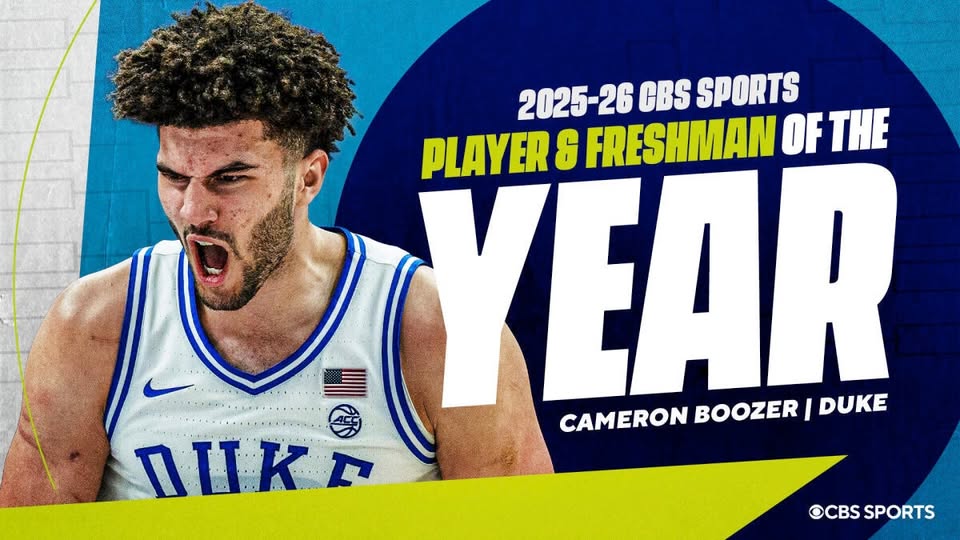
Part of that appeal lies in Duke’s brand power. The Blue Devils remain one of the most recognizable programs in sports, not just college basketball. Their ability to consistently produce NBA-ready talent ensures that every deep tournament run carries added intrigue. This year was no different. Duke’s roster featured a mix of freshmen phenoms and experienced contributors, all operating within a system that balances pace, spacing, and defensive intensity. Their path to the Elite Eight showcased resilience and adaptability, traits that only amplified anticipation for a showdown with UConn.
On the other side, UConn’s identity provided the perfect counterbalance. Where Duke thrives on individual brilliance, UConn’s success is rooted in cohesion and discipline. Their offense flows through structured sets, while their defense emphasizes physicality and positional awareness. This contrast in styles created a compelling tactical battle, one that appealed not only to fans but also to analysts and purists who appreciate the nuances of the game.
When the teams finally met, the game delivered on every level. It was tightly contested, with momentum swings that kept viewers engaged from start to finish. Duke’s offensive firepower clashed with UConn’s defensive structure, resulting in a chess match between two elite coaching staffs. Every possession carried weight, every adjustment mattered, and every mistake was magnified under the pressure of the moment.

The final score—UConn edging Duke by a single point—only added to the game’s legacy. Close finishes have always been a key ingredient in memorable tournament matchups, and this one provided exactly that. The tension, the drama, and the stakes combined to create a spectacle that will be revisited for years to come.
Beyond the on-court product, the Duke-UConn matchup also highlighted broader trends shaping college basketball. The increasing influence of NIL deals and transfer portal movement has reshaped roster construction, but traditional powers like Duke and UConn continue to adapt and thrive. Their ability to blend modern strategies with established identities ensures that they remain at the forefront of the sport.
Commercially, the game’s success underscores the importance of marquee programs in driving tournament value. While Cinderella stories are a cherished part of March Madness, it is matchups like Duke vs. UConn that generate the highest revenue and viewership. Networks, sponsors, and advertisers all benefit from the visibility that comes with such high-profile games, reinforcing the economic ecosystem surrounding the tournament.
Social media engagement further amplified the matchup’s impact. Clips of key plays, player reactions, and coaching decisions circulated widely, generating millions of interactions across platforms. The game became a shared experience, with fans dissecting every moment in real time. This level of engagement is crucial in maintaining the tournament’s relevance in a rapidly evolving media landscape.
From a player development perspective, the game also served as a showcase for future NBA talent. Scouts and executives closely monitored performances, evaluating how players responded to high-pressure situations. For many athletes, this stage represents the ultimate proving ground, and Duke vs. UConn provided the perfect platform to demonstrate readiness for the next level.
Coaching played a pivotal role as well. Both programs are led by tacticians who understand the demands of postseason basketball. Adjustments were constant, with each side attempting to exploit weaknesses and counter the opponent’s strengths. The strategic depth on display added another layer of intrigue, appealing to those who view the game through an analytical lens.
Historically, matchups between elite programs have often defined eras of college basketball, and this game fits that pattern. It represents a continuation of the sport’s tradition of high-stakes clashes between powerhouse teams. At the same time, it reflects the modern evolution of the game, where branding, media presence, and player marketability are as important as on-court performance.
The aftermath of the game further solidified its status as the tournament’s top-seller. Discussions about officiating, key plays, and individual performances dominated sports media coverage. Analysts debated the implications for both programs, while fans relived the game’s defining moments. The sustained interest indicates that the matchup resonated deeply, extending its impact beyond the final buzzer.
Looking ahead, the success of Duke vs. UConn sets a benchmark for future tournaments. It demonstrates the value of compelling narratives, elite talent, and competitive balance. For the NCAA, it reinforces the importance of showcasing marquee matchups in prime viewing windows, ensuring maximum exposure and engagement.
Ultimately, the 2026 clash between Duke and UConn was more than just a game—it was a cultural moment within college basketball. It captured the essence of March Madness while highlighting the elements that drive the sport’s popularity. From its dramatic finish to its widespread appeal, it stands as the tournament’s defining matchup and a clear example of why college basketball continues to captivate audiences around the world.