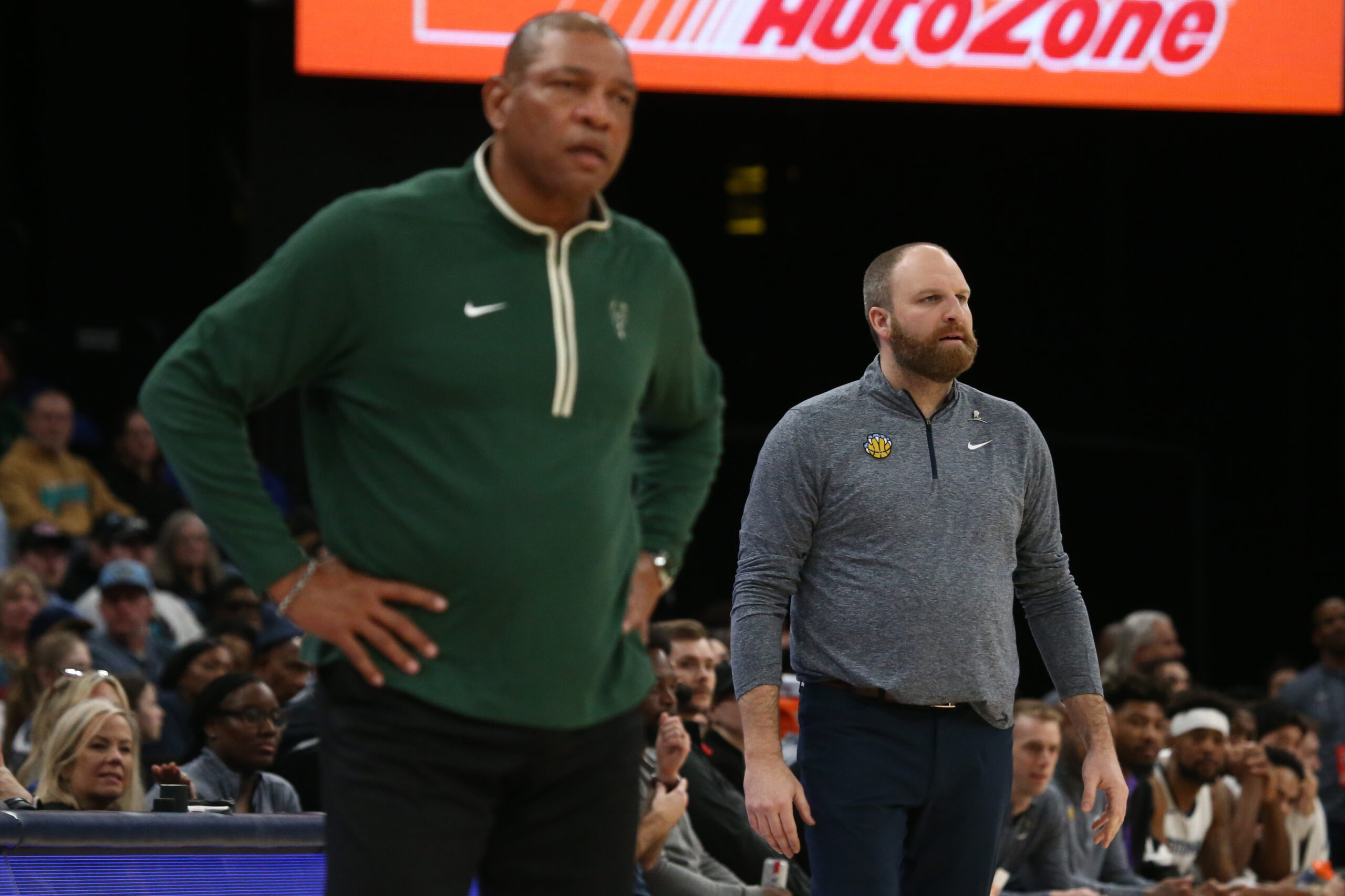
In a bold move signaling a new chapter in their franchise history, the Milwaukee Bucks have officially finalized a deal to hire Taylor Jenkins as their new head coach, replacing the legendary Doc Rivers. This decision marks a pivotal point for the organization, reflecting their commitment to sustained success and a fresh strategic vision. Jenkins, often lauded for his innovative approach, player development expertise, and leadership acumen, is set to bring a new energy and tactical nuance to the Bucks’ roster.
The announcement has sent ripples throughout the NBA community, igniting discussions about the future trajectory of Milwaukee and how Jenkins’ philosophy will mesh with their existing core. The Bucks, a team with deep championship aspirations and a passionate fanbase, are betting on Jenkins to be the architect—the “return of the architect,” as some are calling him—who can orchestrate their path back to NBA dominance.
The Significance of the Hire
The decision to bring Jenkins onboard is not merely a change in leadership; it signals a strategic pivot. For years, the Bucks have been defined by their star-studded core led by Giannis Antetokounmpo, whose relentless drive has propelled the team to multiple playoff runs and a championship in 2021. However, the coaching position has always been crucial in translating talent into sustained success.
Replacing Doc Rivers, a coaching legend with a storied career, is no small task. Rivers’ tenure in Milwaukee was marked by high expectations, some playoff disappointments, and a desire to elevate the team’s defensive and offensive execution. Now, the Bucks turn the page, entrusting Jenkins to craft a new blueprint that leverages their strengths while addressing past shortcomings.
Jenkins’ hiring underscores the Bucks’ desire for a coach who values adaptability, modernized offensive schemes, and player empowerment. His reputation as a tactician and developer of talent aligns with Milwaukee’s organizational philosophy—a team that prioritizes growth, versatility, and a culture of accountability.
Background: Who Is Taylor Jenkins?
Taylor Jenkins, born in 1984, is a relatively young but highly regarded coach in the NBA. His journey to the head coaching position is marked by rapid progression through the coaching ranks, showcasing a keen basketball mind and an ability to connect with players.
Jenkins began his coaching career as an assistant with the San Antonio Spurs, a franchise renowned for its disciplined approach, innovative strategies, and success under Gregg Popovich. During his tenure with the Spurs, Jenkins absorbed the intricacies of team-oriented basketball, defensive schemes, and the importance of adapting to personnel strengths.
After a successful stint in San Antonio, Jenkins moved to the Memphis Grizzlies as an assistant coach, where he gained further recognition for his offensive creativity and player development skills. His work with young talents like Ja Morant and Jaren Jackson Jr. helped the Grizzlies establish themselves as a rising force in the Western Conference.
In 2020, Jenkins was appointed head coach of the Memphis Grizzlies, where he immediately made an impact. His first season was characterized by innovative offensive schemes, a focus on pace and space, and a culture of accountability. Under Jenkins, the Grizzlies developed a more cohesive identity, making significant strides in development and competitiveness.
His coaching philosophy emphasizes a balance between disciplined defense and high-octane offense, leveraging analytics and modern basketball principles. Jenkins is known for empowering players, fostering a positive locker room environment, and implementing adaptable game plans.
Why the Bucks Chose Jenkins
Milwaukee’s front office was reportedly impressed with Jenkins’ track record of player development, innovative offensive strategies, and his ability to adapt to different rosters. The Bucks’ ownership and management sought a coach who could:
Build on the team’s existing strengths: Giannis Antetokounmpo’s versatility and defensive prowess remain core to the Bucks’ identity.
Enhance offensive versatility: Jenkins’ emphasis on pace, spacing, and ball movement aligns with Milwaukee’s personnel.
Develop young talent: With emerging players like Khris Middleton, Jrue Holiday, and prospects in the pipeline, Jenkins’ knack for player growth was a key factor.
Create a culture of accountability: Instilling discipline and focus, especially after playoff disappointments, was a priority.
Sources close to the franchise indicate that Jenkins’ collaborative approach and modern tactics resonated with Milwaukee’s ownership, who see him as the “architect” capable of designing a championship-contending team built for the current NBA landscape.
Expectations and Challenges
The hiring of Jenkins sets the stage for high expectations in Milwaukee. Fans and analysts alike are eager to see how his coaching philosophy translates to the Bucks’ roster, especially after a season with mixed results and room for improvement.
Key Expectations:
Enhanced offensive efficiency: Jenkins’ focus on pace and space is expected to maximize the talents of Giannis and the supporting cast.
Defensive resilience: While Jenkins is known for offensive innovation, he also emphasizes disciplined defense, which is crucial for playoff success.
Player empowerment: Giving stars and role players the confidence to take ownership of their roles, fostering a positive and motivated environment.
Development of young players: Integrating emerging talents into the rotation and helping them reach their full potential.
Potential Challenges:
Adjusting to the roster: Jenkins must quickly adapt his schemes to fit Milwaukee’s existing personnel, particularly on defense.
Managing expectations: The Bucks are expected to contend immediately; managing pressure and building sustainable success will be pivotal.
Navigating the NBA landscape: Competing in a league filled with superteams and star power requires tactical flexibility and strategic acumen.
What This Means for the Roster
Jenkins’ arrival will undoubtedly influence the Bucks’ roster decisions moving forward. His emphasis on modern, versatile basketball suggests Milwaukee might pursue:
Additional shooting and spacing: To complement Giannis’ driving and playmaking.
Defensive specialists: To bolster their perimeter and interior defense.
Young talent infusion: Draft picks, free agents, or trades aimed at adding athleticism and versatility.
The team’s core remains intact with Giannis, Middleton, and Holiday, but Jenkins’ influence could lead to strategic adjustments—perhaps emphasizing more ball movement, faster pace, and a more aggressive defensive scheme.
Future Outlook
The hiring of Taylor Jenkins signals Milwaukee’s commitment to sustained competitiveness. The franchise appears to be positioning itself for a new era—one where innovative coaching, player development, and strategic roster building converge.
In the immediate future, Jenkins will focus on:
Assessing the current roster: Identifying strengths, weaknesses, and potential upgrades.
Implementing his system: Ensuring players are well-versed in his offensive and defensive philosophies.
Building team chemistry: Fostering a culture of trust, accountability, and shared vision.
Long-term, the Bucks aim to contend for multiple championships, leveraging their star power and the strategic insights Jenkins brings. His reputation for developing players and crafting modern schemes could be the catalyst for Milwaukee’s next wave of success.
The Broader Impact
This coaching change also has implications beyond Milwaukee. Jenkins’ rise to a head coaching position exemplifies a broader trend in the NBA—young, innovative coaches with a strong background in analytics and player development are increasingly recognized as the future of coaching.
His success in Milwaukee could pave the way for more opportunities for coaches with similar profiles, emphasizing the importance of adaptability, modern tactics, and fostering player growth.
The Milwaukee Bucks’ decision to hire Taylor Jenkins as their new head coach marks an exciting and strategic turning point for the franchise. Dubbed the “return of the architect,” Jenkins is expected to design a team that balances star power with modern basketball principles, aiming for sustained excellence and ultimate success.
Fans are eager to see how Jenkins’ philosophies translate on the court, how he manages the roster, and whether he can fulfill the high expectations placed upon him. With a talented core, a committed front office, and a coach known for innovation, the Bucks are poised for a compelling new chapter—one that could see them rise back to NBA dominance in the seasons ahead.