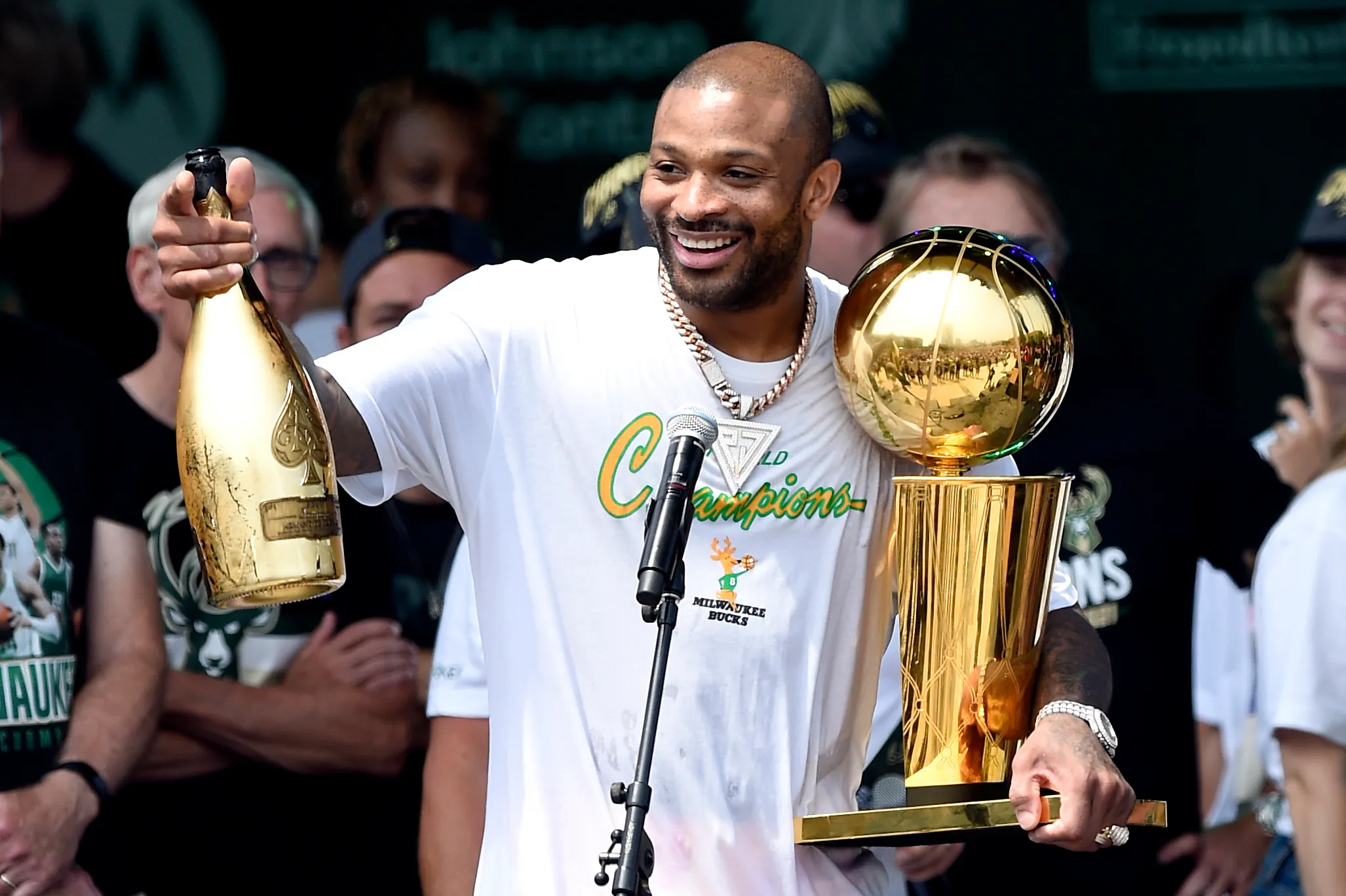
-The Milwaukee Bucks entered the playoffs with high expectations, aiming to contend for the NBA championship. Led by their star Giannis Antetokounmpo, the team had demonstrated regular-season excellence, strong defense, and a balanced offensive attack. However, as the postseason progressed, it became increasingly clear that some of the Bucks’ longstanding issues—those that have occasionally hampered their success in previous campaigns—are now reemerging and adversely affecting their performance in critical moments.
This analysis explores the nature of these recurring mistakes, their roots, how they manifest in playoff scenarios, and what the team can do to address them moving forward.
1. Context: The Bucks’ Playoff History and Persistent Challenges
Before delving into specific mistakes, it’s important to understand the context of the Bucks’ recent playoff history. Milwaukee has been a competitive franchise for decades but has often faced challenges in clinching deep playoff runs. Their 2021 NBA championship was a significant achievement, but the team’s postseason journey has been marked by recurring issues that have kept them from establishing sustained dominance.
Some of these issues include:
Late-game decision-making and execution
Defensive lapses under pressure
Inconsistent shooting and offensive stagnation
Over-reliance on star players without sufficient supporting depth
Lack of adaptability against elite playoff defenses
In recent years, these problems have sometimes been minimized during the regular season but tend to resurface during playoff intensity, when the stakes are higher, and the margin for error is razor-thin.
2. Core Mistakes Resurfacing in the Current Playoffs
A. Poor Late-Game Decision-Making
One of the most prominent issues that have plagued the Bucks in previous playoff runs has been their decision-making in clutch moments. Whether it’s choosing the right shot, managing the game clock, or defensive rotations, errors in these critical situations have often cost them games.
This season, analysts and fans have observed:
Overly Iso-heavy Plays for Giannis: While Giannis is a dominant force, relying solely on his drives or post-ups in crunch time can become predictable and easy to defend when the defense collapses.
Poor Shot Selection: At times, the Bucks have settled for contested jumpers or three-pointers late in shot clocks rather than attacking the rim or generating open looks.
Lack of Clear Offensive Strategy: When plays break down, the team sometimes struggles to execute a well-designed plan, leading to turnovers or forced shots.
B. Defensive Lapses in Critical Moments
Milwaukee’s defense has historically been a strength, anchored by Giannis’s versatility and a commitment to team defense. However, in high-pressure playoff situations, defensive breakdowns have been evident:
Switching Errors: Miscommunications in switches have led to open shooters or mismatches against smaller or quicker opponents.
Ball-Watching: Defensive focus sometimes wanes in crunch moments, with players losing track of their assignments.
Lack of Defensive Intensity: When the team faces adversity, some players’ effort levels drop, allowing opponents to mount comebacks or extend leads.
These lapses have often resulted in opponents capitalizing on open shots or exploiting defensive rotations, leading to momentum shifts.
C. Offensive Stagnation and Shooting Inconsistency
While the Bucks are known for their strong defense, their offense can become stagnant when shots aren’t falling or when the team faces tight defenses. Previous playoff runs have shown:
Isolation Basketball: Over-reliance on Giannis or Middleton to create offense, leading to predictability.
Limited Ball Movement: When offense stalls, the team sometimes fails to generate open looks due to poor ball movement, allowing defenses to collapse.
Shooting Slumps: In recent playoff games, key shooters like Khris Middleton or role players have gone cold, hampering the team’s ability to keep pace offensively.
D. Over-Reliance on Star Power and Lack of Role Player Contributions
The Bucks have built their identity around Giannis, but in close playoff games, the supporting cast’s contributions become crucial. Past mistakes include:
Insufficient Supporting Production: When role players like Pat Connaughton, Grayson Allen, or Bobby Portis do not step up, the team’s offensive options diminish.
Failure to Adjust Rotations: Sticking with the same lineup despite inefficiencies has sometimes allowed opponents to exploit matchups.
Lack of Depth Utilization: Failing to maximize the bench or secondary options has hurt their ability to sustain effort over longer playoff series.
E. Inability to Adapt to Opponent Strategies
Playoff basketball demands tactical flexibility. The Bucks’ recurring mistake has been their difficulty in adjusting when opponents change their game plan:
Failure to Counter Defensive Schemes: When opponents double Giannis or pack the paint, the Bucks sometimes struggle to find alternate scoring options.
Predictability in Sets: Over-reliance on certain plays or sets has allowed defenses to prepare and neutralize their most effective actions.
3. Roots and Causes of These Mistakes
Understanding why these mistakes persist is essential to devising solutions.
A. Over-Reliance on Star Player
Giannis is undoubtedly the team’s best player, but an over-reliance on his individual brilliance has led to predictable offense and neglect of other options. When defenses collapse on him, the team struggles to find alternative scoring solutions.
B. Lack of Offensive Depth and Versatility
While the Bucks have solid role players, they lack a secondary creator at the level of elite playoff guards or wings, which limits their ability to execute complex late-game schemes or counteract intense defenses.
C. Defensive Communication and Rotation Issues
Miscommunications and slow rotations are often due to a lack of experience, fatigue, or breakdowns in focus, which become more pronounced under playoff pressure.
D. Coaching and In-Game Adjustments
Although Mike Budenholzer is a respected coach, some critics argue that his in-game adjustments have been insufficient or slow, especially when facing high-caliber opponents who exploit weaknesses.
E. Mental and Physical Fatigue
Playoff basketball is demanding, and mental lapses or fatigue can cause even well-prepared teams to make uncharacteristic mistakes, especially late in games.
4. Manifestation of Old Mistakes in Recent Playoff Games
Case Studies: Specific Games and Moments
Game 1 of the Series
In a crucial playoff game, the Bucks relied heavily on Giannis to generate offense in the closing minutes. When the defense collapsed, they lacked a secondary playmaker to create open shots, leading to contested or rushed shots. Defensive lapses, such as switching miscommunications, allowed opponents to extend their lead.
Game 3 Collapse
The team’s defense faltered in the third quarter, with players losing focus, leading to open looks for opponents and momentum shifts. Offensively, the team stagnated, settling for contested three-pointers rather than attacking the rim.
Closeout Game
Late-game decision-making was questionable, with shot selection and clock management becoming evident. Turnovers and missed assignments allowed the opponent to rally and ultimately win the game.
Impact of Mistakes
These mistakes have resulted in:
Loss of Momentum: Mistakes often lead to runs by opponents, erasing leads or preventing them from building a cushion.
Increased Pressure: Repeated errors amplify pressure on star players, leading to rushed plays and further mistakes.
Psychological Toll: The cumulative effect of mistakes can impact team confidence and focus.
5. Broader Implications and Lessons Learned
The recurrence of these old mistakes underscores several key lessons:
Need for Tactical Flexibility: The team must evolve beyond predictable sets and develop multiple offensive and defensive strategies.
Importance of Role Player Development: Supporting players must step up consistently, especially in high-pressure moments.
Focus on Mental Toughness: Building resilience and focus during critical moments can reduce late-game errors.
Emphasis on Defensive Communication: Improving rotations and communication can minimize lapses.
Adjustments and Coaching: In-game adjustments tailored to opponent tendencies can prevent exploitation of weaknesses.
6. Potential Solutions and Path Forward
A. Offensive Improvements
Incorporate more ball movement and off-ball screens to create open shots.
Develop alternative late-game plays that do not rely solely on Giannis.
Enhance the shooting consistency of role players through practice and confidence-building.
B. Defensive Enhancements
Increase defensive communication drills and film review to reduce miscommunications.
Emphasize effort and focus during practice to sustain intensity late in games.
Implement specific strategies to counter opponent double-teams and schemes.
C. Psychological and Leadership Focus
Foster mental toughness and focus through sports psychology support.
Cultivate leadership within the team to maintain composure during adversity.
D. Tactical and Coaching Adjustments
Encourage more dynamic in-game adjustments based on game flow.
Utilize timeouts strategically to reset and correct mistakes.
Explore different lineups and rotations to maximize strengths and cover weaknesses.
Recognizing and Overcoming the Old Mistakes
The Milwaukee Bucks’ current playoff struggles highlight that past mistakes are not just bygone errors but ongoing challenges that can resurface when the stakes are highest. Recognizing these recurring pitfalls—be they decision-making, defensive lapses, or offensive stagnation—is the first step toward rectifying them.
While these old mistakes have shined through in the current postseason, they also present opportunities for growth. Addressing these issues requires a combination of tactical adjustments, mental fortitude, and disciplined execution. If the Bucks can learn from these errors and implement strategic changes, they can not only overcome current obstacles but also build a stronger foundation for future playoff success.
In the end, playoff basketball is a test of resilience, adaptability, and focus. The Bucks’ ability to recognize their recurring mistakes and take concrete steps to correct them will determine whether they can rise above their past and achieve their championship aspirations.