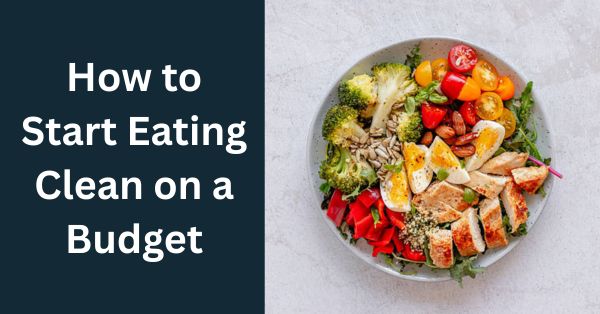
How to Start Eating Clean on a Budget – Many people believe that eating healthy is expensive, complicated, or only possible for people with a large grocery budget. Social media often promotes costly organic products, fancy smoothies, and expensive diet plans, making clean eating seem out of reach for ordinary people. The truth is that eating clean does not have to drain your wallet. With smart planning and simple lifestyle adjustments, anyone can begin eating healthier without spending a fortune.
Clean eating is not about perfection or following strict rules. It simply means choosing more natural, nutritious foods while reducing heavily processed foods filled with excess sugar, unhealthy fats, and artificial ingredients. The goal is to nourish your body with foods that provide energy, improve health, and support overall well-being.
Starting small and making realistic changes is often the best approach. Healthy eating becomes more sustainable when it fits comfortably into your daily life and budget.
What Clean Eating Really Means
Before beginning a clean eating journey, it is important to understand what the term actually means. Clean eating focuses on consuming whole and minimally processed foods such as fruits, vegetables, whole grains, lean proteins, healthy fats, and natural ingredients.
This does not mean you must completely avoid every snack or treat you enjoy. Instead, clean eating encourages balance and healthier choices most of the time.
For example, replacing sugary drinks with water, choosing homemade meals more often, or eating fresh fruits instead of processed snacks are all simple examples of clean eating habits.
The focus should be on progress rather than perfection.
Plan Your Meals Before Shopping
One of the easiest ways to save money while eating healthy is meal planning. Many people overspend on food because they shop without a plan and buy unnecessary items they may never use.
Creating a simple weekly meal plan helps you stay organized and avoid impulse purchases. Before going to the market or grocery store, decide what meals you want to prepare and make a shopping list based on those ingredients.
Meal planning also reduces food waste because you buy only what you actually need. Even simple meals like rice and vegetables, beans and sweet potatoes, or oats with fruits can provide excellent nutrition without costing too much.
Having a plan also makes it easier to resist fast food or unhealthy snacks when you already know what you will eat.
Buy Whole Foods Instead of Processed Foods
Processed foods may seem convenient, but they are often more expensive over time and usually contain excess sugar, sodium, and unhealthy fats.
Whole foods such as beans, rice, oats, eggs, potatoes, vegetables, bananas, and fresh fruits are often cheaper and more nutritious. These foods are filling, versatile, and can be used in many different meals.
For example, a large bag of rice or beans can provide several meals for a family at a lower cost than constantly buying packaged snacks or fast food.
Cooking from scratch may require a little more time, but it usually saves money and improves the quality of your diet.
Buy Seasonal and Local Produce
Fresh fruits and vegetables are important parts of clean eating, but some imported produce can be expensive. One smart strategy is to buy fruits and vegetables that are currently in season or locally available.
Seasonal produce is often fresher, cheaper, and easier to find. In many local markets, fruits and vegetables sold during their natural growing season cost much less than imported options.
You do not need exotic ingredients to eat healthy. Affordable local foods can provide excellent nutrition. Leafy greens, tomatoes, cucumbers, oranges, bananas, carrots, and sweet potatoes are all nutritious choices that are often budget-friendly.
Cook More Meals at Home
One of the biggest ways people overspend on food is by eating out frequently. Restaurant meals, fast food, and takeout can quickly consume a large part of your budget while also providing excess calories, unhealthy fats, and added sugar.
Cooking at home allows you to control ingredients, portion sizes, and costs. Even simple homemade meals are usually healthier and cheaper than restaurant food.
You do not need advanced cooking skills to prepare healthy meals. Simple dishes like vegetable soups, grilled chicken, rice and beans, boiled eggs, smoothies, or stir-fried vegetables can be nutritious and affordable.
Learning basic cooking skills can greatly improve both your health and financial savings.
Buy in Bulk When Possible
Certain healthy foods become more affordable when purchased in larger quantities. Items such as oats, rice, beans, lentils, nuts, and frozen vegetables often cost less per serving when bought in bulk.
Buying in bulk can reduce the number of shopping trips and help you maintain healthy food options at home.
However, it is important to buy only foods you know you will actually use to avoid waste.
Choose Affordable Protein Sources
Many people think healthy eating requires expensive meats or protein powders, but there are many affordable protein options available.
Eggs, beans, lentils, peanut butter, yogurt, canned fish, and chicken are often cheaper sources of protein that still provide important nutrients.
Beans and lentils are especially budget-friendly because they are filling, nutritious, and can be used in soups, stews, salads, and rice dishes.
Protein is important because it helps maintain muscle strength, keeps you full longer, and supports overall health.
Read: Healthy Lifestyle Tips for Teenagers
Reduce Sugary Drinks and Snacks
One simple way to improve your diet while saving money is to cut back on sugary beverages and processed snacks.
Soft drinks, energy drinks, chips, candy, and packaged sweets may seem inexpensive individually, but regular purchases add up quickly over time. These foods also provide very little nutritional value.
Replacing sugary drinks with water can significantly improve health and reduce spending. Fruits, nuts, popcorn, or homemade snacks are often healthier and more affordable alternatives.
Small daily savings from avoiding unnecessary snacks can make a noticeable difference in your monthly food budget.
Do Not Try to Change Everything Overnight
One common mistake people make is trying to completely change their eating habits all at once. This often becomes overwhelming and difficult to maintain.
Instead, focus on small and realistic improvements. Start by making one or two healthier changes each week. For example, you might begin by drinking more water, cooking dinner at home more often, or adding vegetables to your meals.
Gradual progress is more sustainable than extreme diets or strict food rules. Clean eating should feel realistic and enjoyable rather than stressful.
Learn to Read Food Labels
Understanding food labels can help you make healthier and smarter choices while shopping. Many processed foods contain hidden sugars, excessive sodium, and unhealthy ingredients.
Pay attention to ingredient lists and nutrition information. Foods with fewer artificial ingredients are usually better choices.
You do not need to become obsessed with labels, but learning basic information can help you avoid unhealthy products and spend your money more wisely.
Healthy Eating Is a Long-Term Lifestyle
Clean eating is not a temporary challenge or strict diet. It is a long-term lifestyle focused on nourishing your body and building healthier habits over time.
There will still be occasions when you enjoy treats or convenience foods, and that is perfectly normal. Healthy living is about balance, not perfection.
The goal is to create sustainable habits that improve your health, energy, and overall quality of life while staying within your financial limits.
Conclusion
Eating clean on a budget is completely possible with the right mindset and simple planning. Healthy eating does not require expensive products, strict diets, or complicated meal plans. Basic whole foods, homemade meals, and smart shopping habits can provide excellent nutrition without overspending.
By planning meals, buying affordable whole foods, cooking at home, reducing processed snacks, and making gradual changes, anyone can begin building healthier eating habits.
Clean eating is ultimately about taking better care of your body through consistent and realistic choices. Even small improvements can lead to better energy, improved health, and a more balanced lifestyle over time.