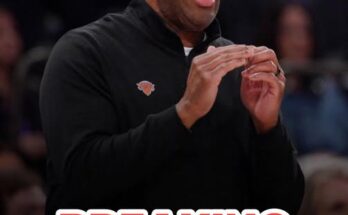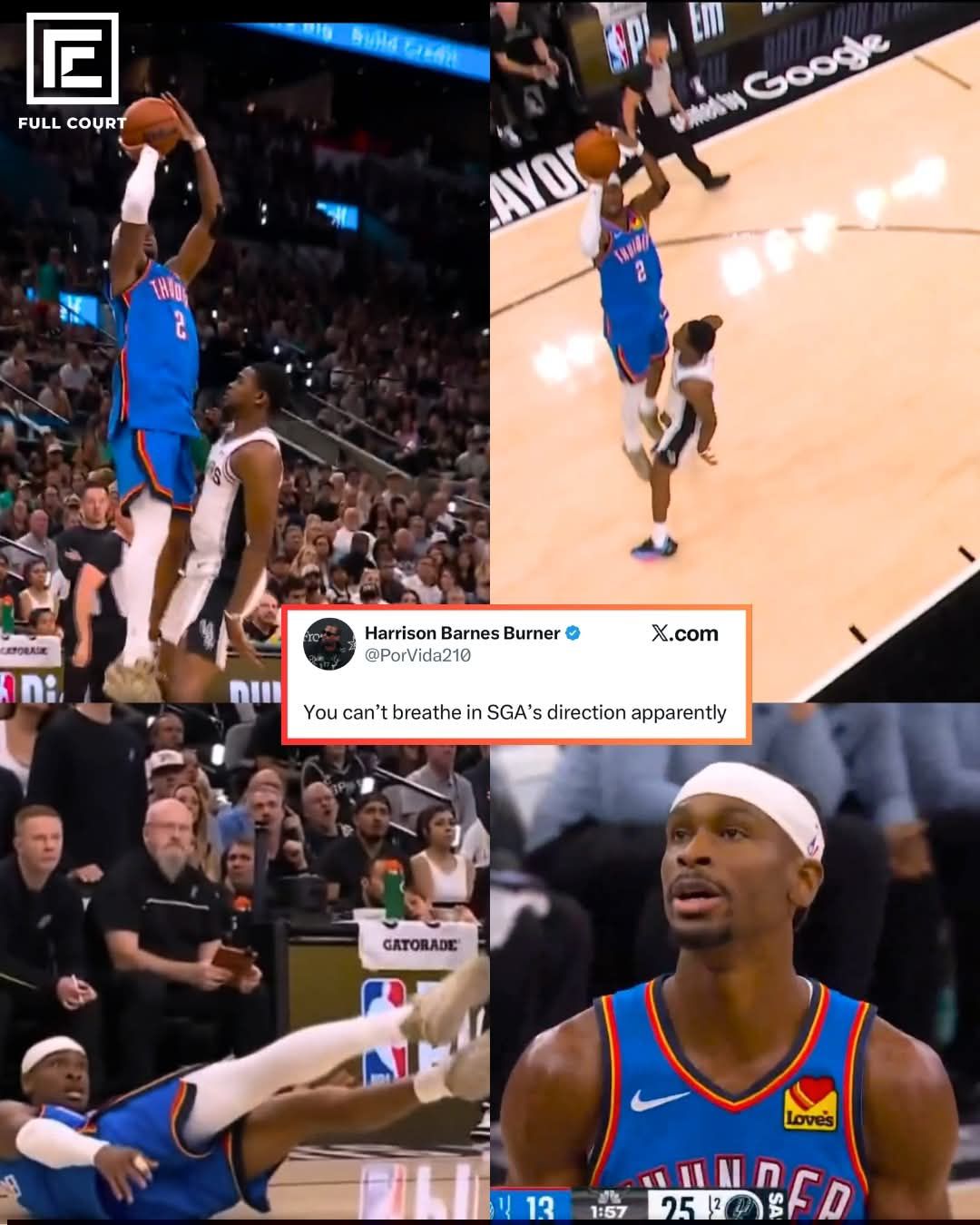
Watching De’Aaron Fox make that kind of play against Shai Gilgeous-Alexander was honestly hard to watch. Basketball is an emotional game, especially at the highest level where every possession matters, tempers flare, and players are competing with everything they have. But no amount of intensity, frustration, or playoff pressure can excuse a dangerous foul that puts another player’s health and career at risk. The NBA has spent years trying to clean up reckless plays exactly because moments like this can change everything in an instant. One bad foul can lead to a concussion, a torn ligament, a broken wrist, or worse. Fans tune in to watch elite athletes compete, not to see someone get undercut, blindsided, or slammed to the floor because another player lost control for a split second.
The biggest issue with dangerous fouls is that they go beyond basketball. A hard contest at the rim is part of the sport. Physical defense is part of the culture of the NBA. Nobody wants the game to become completely soft or over-officiated. But there’s a clear line between physical basketball and reckless behavior. When a player makes a move that clearly jeopardizes another player’s safety, the league has to respond strongly. If the NBA fails to punish these moments consistently, it sends the wrong message not only to players in the league but also to younger athletes watching around the world. Kids copy what they see from stars. When dangerous plays are brushed aside as “playoff basketball” or “competitive fire,” it normalizes behavior that should never be normalized.
What makes this situation even worse is that Shai Gilgeous-Alexander is one of the faces of the league right now. He plays with incredible composure, skill, and creativity, and he rarely gets involved in unnecessary drama. Seeing him put in danger like that naturally sparks outrage among fans because people understand how quickly a season can collapse due to injury. One awkward landing can alter an entire playoff run, a franchise’s future, or even a player’s career trajectory. We’ve seen it happen too many times in NBA history. Fans never forget moments where a superstar was hurt because another player crossed the line.
At the same time, calls for suspension are not just emotional reactions. The NBA has a responsibility to establish accountability. If the league reviews the play and determines it involved excessive or unnecessary contact with reckless intent, then a suspension absolutely becomes part of the conversation. Suspensions are not just punishments; they are deterrents. The goal is to make players think twice before committing dangerous acts. A fine alone often isn’t enough because NBA players can absorb financial penalties without changing behavior. Missing games hurts more. It impacts rotations, team chemistry, momentum, and playoff chances. That’s why suspensions carry weight.
There’s also the issue of consistency. Fans become frustrated when the league punishes similar plays differently depending on the player involved, the market size, or the timing of the season. If one player receives a suspension for reckless contact, another player should face the same standard. The NBA cannot claim to prioritize player safety while selectively enforcing rules. Consistency is critical for credibility. Whether the player is a superstar, role player, MVP candidate, or bench piece, the standard should remain the same. Dangerous is dangerous.
Another thing people overlook is how quickly emotions escalate after a dangerous foul. Teammates immediately feel protective. Opponents become angry. Coaches start arguing with officials. Fans get louder. The entire atmosphere changes. That’s why the league usually acts quickly after reviewing incidents. Dangerous plays can turn games ugly if not handled properly. Basketball should remain competitive without becoming hostile or vindictive. Nobody wants to see retaliation fouls or fights breaking out because players feel the officials or league failed to protect them.
For De’Aaron Fox specifically, this situation is disappointing because he is widely respected as an elite competitor and dynamic guard. He’s known for his speed, clutch ability, and leadership, not dirty basketball. That’s why so many fans reacted strongly. When a respected player commits a reckless foul, it stands out even more because it feels out of character. Some fans will argue it was accidental or simply an unfortunate basketball play, while others believe there was clear recklessness involved. Intent always becomes the biggest debate after these moments. But intent does not erase consequences. A player doesn’t have to intend to injure someone for a foul to be dangerous enough to warrant discipline.
The NBA has evolved significantly in how it evaluates these incidents. Years ago, certain dangerous plays might have been dismissed as toughness or old-school basketball. Today, there is much greater awareness around head injuries, landing space violations, and unnecessary contact in the air. That evolution is a good thing. Athletes are bigger, faster, and more explosive than ever before. The risk of serious injury is enormous when players collide at full speed. Protecting players should always come first.
Social media also amplifies situations like this immediately. Within minutes, clips spread everywhere, fans debate endlessly, and narratives form fast. Some people defend the foul as competitive intensity, while others demand severe punishment instantly. The reality usually sits somewhere in the middle. League officials have to slow everything down, review angles carefully, and determine whether the act crossed disciplinary thresholds. But emotionally, fans react instantly because watching a player get dangerously hit triggers genuine concern and anger.
There’s a reason the phrase “there’s no place for that in basketball” keeps getting repeated after incidents like this. Basketball is built on skill, athleticism, timing, and creativity. The sport loses something when dangerous plays overshadow the actual competition. Instead of discussing clutch shots, defensive schemes, or superstar performances, everyone ends up talking about controversy and discipline. That’s bad for the game overall. The NBA thrives when the conversation centers around greatness, not recklessness.
A suspension would also reinforce the importance of accountability regardless of reputation. Great players should still be held responsible when they make dangerous decisions. In fact, stars often carry even more responsibility because their actions influence younger generations and shape league culture. When the NBA disciplines high-profile players fairly, it strengthens the integrity of the sport.
At the same time, fans should avoid crossing the line into personal attacks or harassment. Criticizing the play is fair. Calling for league discipline is fair. But turning the situation into hate campaigns against players helps nobody. Athletes make mistakes in emotional, high-pressure environments. Accountability matters, but so does perspective. A dangerous foul can be condemned strongly without reducing a player entirely to that one moment.
Still, moments like this leave lingering frustration because of what could have happened. Every time a player crashes awkwardly to the floor, fans immediately fear the worst. We’ve seen careers altered by injuries from reckless contact. Nobody wants to imagine the league losing one of its brightest stars because of an avoidable play. That fear is exactly why reactions become so intense.
The NBA’s player safety rules exist for a reason. Flagranf fouls, replay reviews, and suspensions are all designed to discourage dangerous behavior and protect athletes. Some fans complain these measures soften the game, but the alternative is worse. Nobody misses the era where players could take cheap shots with minimal consequences. Tough basketball and dangerous basketball are not the same thing.
In the end, whether De’Aaron Fox should be suspended depends on how the league interprets the severity and recklessness of the foul after review. But the outrage from fans is completely understandable because protecting players must always come first. When a dangerous play threatens someone’s safety, especially a superstar like Shai Gilgeous-Alexander, people are going to react emotionally and demand accountability. That’s part of caring deeply about the sport. Fans want intense competition, physical defense, and passionate basketball, but they also want players to walk off the court healthy at the end of the night.
Nobody should have to hold their breath wondering if a reckless foul just changed the course of a season or a career. That’s why moments like this spark such strong reactions, and that’s why the NBA has to take dangerous plays seriously every single time.