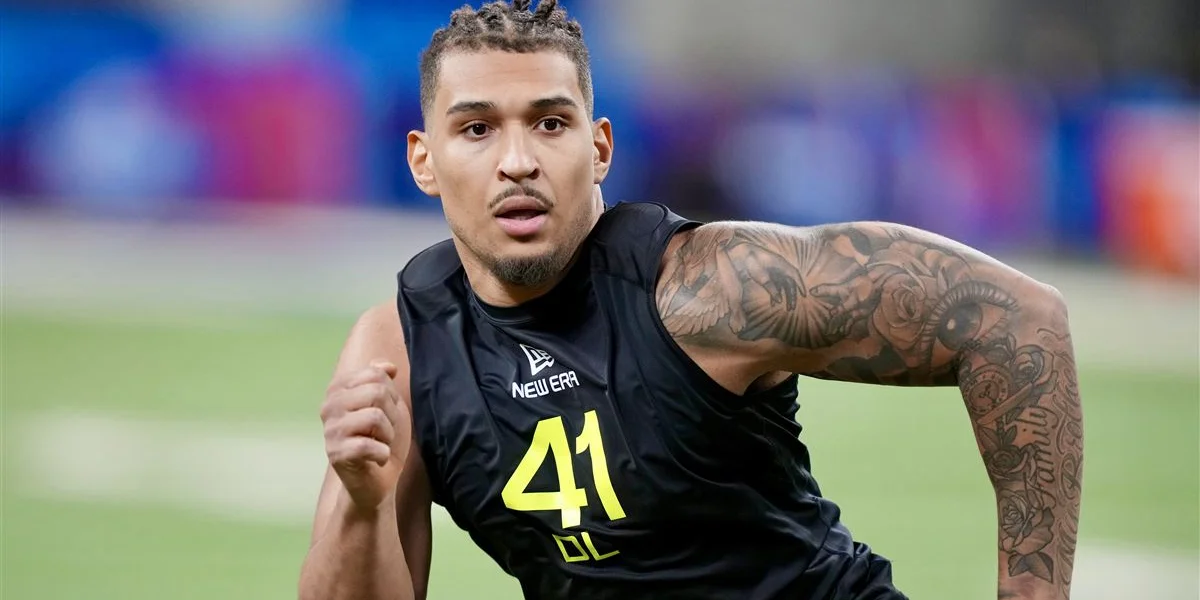
College football is a landscape filled with stories of triumph, adversity, growth, and change. For many student-athletes, their journey is shaped not only by their athletic performance but also by personal struggles, health issues, and life-altering decisions. Tyler Baron’s story is one such narrative—an account of dedication to his craft, facing health challenges, and making a difficult but necessary decision to transfer from the University of Tennessee to the University of Miami.
In this comprehensive discussion, we will explore Tyler Baron’s early years, his time as a Tennessee Volunteer, the reasons behind his transfer, his personal health struggles, and his perspective on leaving Rocky Top. This story reflects the resilience and vulnerability of student-athletes navigating the demands of college football while managing their personal well-being.
Early Life and High School Career
Tyler Baron hails from Nashville, Tennessee, a state renowned for its rich football tradition. From an early age, he demonstrated exceptional athletic talent, quickly establishing himself as a promising defensive end. His performances in high school earned him recognition across Tennessee and nationally, making him a sought-after recruit.
Baron’s high school career was marked by relentless effort and a desire to excel, driven by a passion for the game and aspirations of playing at the highest levels. His athleticism, combined with his work ethic, caught the attention of college programs, leading him to commit to the University of Tennessee, a program with a storied history and deep roots in the state.
College Career at Tennessee: Promise and Challenges
Freshman and Sophomore Years
Tyler Baron arrived at Tennessee with high hopes. As a highly touted recruit, expectations were high for his impact on the team’s defense. During his freshman and sophomore seasons, he showed flashes of brilliance—powerful pass-rushing moves, high motor, and a natural ability to disrupt offensive plays.
However, like many young players adjusting to college football’s physical and mental demands, Baron faced obstacles. Injuries, competition for playing time, and the pressures of balancing academics and athletics tested his resilience. Despite these challenges, he remained committed, working tirelessly to improve.
The Turning Point: Personal Struggles and Health Issues
As his career progressed, Baron faced significant personal hurdles. Reports and interviews in later years revealed that he was battling health issues that affected his performance and overall well-being. While specific medical details are private, Baron has openly expressed that he was “really sick” during his time at Tennessee.
This period was emotionally taxing. Juggling the rigors of college football while managing health concerns drained him physically and mentally. The strain sometimes overshadowed his on-field contributions, and he admits that there were moments of doubt and frustration.
The Impact of Health on Performance
Health issues can profoundly impact an athlete’s performance, confidence, and sense of purpose. For Baron, battling illness meant he often had to push through pain, fatigue, or discomfort, which made it difficult to perform at his peak consistently. The physical toll sometimes translated into inconsistency on the field, leading to fewer snaps and limited opportunities.
Despite these difficulties, Baron maintained his dedication to the game. He continued to work hard, earn respect from teammates and coaches, and strive for improvement. His perseverance during these times exemplifies his resilience and love for football.
The Decision to Transfer: Leaving Rocky Top
Why Transfer?
After spending four seasons at Tennessee, Baron faced a crossroads. Despite his efforts and dedication, he recognized that his health challenges, combined with the competitive environment, limited his ability to reach his full potential within the program.
In interviews, Baron has shared that the decision to transfer was complicated and emotional. He didn’t want to leave Tennessee—a state and school he loved and where he had invested so much of himself. His words, “I was really sick, I never really wanted to leave,” highlight the internal conflict he experienced.
His desire was to find a program where he could recover, develop, and showcase his talents fully without the ongoing health struggles that hampered him at Tennessee. The transfer was driven by a need for a fresh start, a more supportive environment, and the hope of better health and performance.
The Emotional Toll of Leaving
Leaving a program and community where he had spent four years was not easy. Baron expressed that he felt a deep attachment to Tennessee, its fans, his teammates, and the coaching staff. The decision to leave was not made lightly; it was rooted in his personal health needs and long-term aspirations.
His statement about not wanting to leave underscores a sense of loyalty and love for Tennessee. Yet, he also recognized that staying might have compromised his health and future prospects. The emotional struggle of choosing between loyalty and self-care was a defining aspect of his journey.
Transferring to Miami: New Beginnings and Challenges
Choosing Miami
After weighing his options, Tyler Baron transferred to the University of Miami, a program with a rich football tradition and a reputation for developing NFL-caliber talent. Miami’s coaching staff expressed confidence in his abilities and promised a fresh start—a chance to heal, grow, and showcase his skills.
The Hurricanes’ environment offered Baron a different culture, a new coaching staff, and a focus on player development. For Baron, this transition represented hope: a chance to recover from illness, regain confidence, and contribute meaningfully to a team that values resilience and grit.
Adjusting to a New Program
Transitioning to Miami posed its own set of challenges. Adapting to a new defensive scheme, building chemistry with a different coaching staff, and acclimating to a new city required effort and patience. Moreover, managing health issues while trying to establish himself again on the field demanded resilience.
Baron’s openness about his struggles provided insight into his mindset. He emphasized that his move to Miami was about prioritizing his health and well-being while continuing his football career.
Personal Growth and Resilience
The move symbolized a journey of personal growth. Baron’s willingness to leave his comfort zone, confront his health issues, and pursue a new opportunity exemplifies resilience. His experience underscores the importance of mental toughness and self-awareness in navigating the complex world of college athletics.
Reflections on Leaving Tennessee: A Personal Perspective
In interviews and social media statements, Tyler Baron has been candid about his feelings surrounding his departure from Tennessee. His words reveal a complex mix of emotions—gratitude, regret, hope, and vulnerability.
Gratitude and Love for Tennessee
Baron expressed deep appreciation for Tennessee, its fans, and the memories he created there. His time on Rocky Top shaped him not only as a player but also as a person. Despite the hardships, he maintains respect for the program and the opportunities it provided.
Regret and Emotional Struggles
He acknowledged feeling regret about leaving a place that felt like home. His words, “I never really wanted to leave,” highlight the emotional toll of making such a decision. It was a testament to his commitment and love for Tennessee that he hesitated and felt conflicted.
Hope for the Future
Baron’s move to Miami was driven by hope—hope for better health, more playing opportunities, and a fresh start. His resilience and determination suggest he remains committed to overcoming adversity and achieving his goals.
Broader Themes: The Resilience of Student-Athletes
Tyler Baron’s story embodies several broader themes relevant to college athletics:
The Impact of Personal Health: Athletes often face health challenges that influence their careers profoundly. Recognizing and addressing these issues is crucial for long-term well-being.
Emotional Complexity of Transfers: Moving between programs involves emotional pain and hope. It reflects the human side of college sports—loyalty, love, and the desire for personal growth.
Resilience and Self-Awareness: Successful athletes demonstrate resilience, self-awareness, and the courage to make tough decisions for their future.
Support Systems: Coaches, teammates, family, and medical staff play vital roles in supporting athletes through difficult times.
An Inspiring Journey of Courage and Resilience
Tyler Baron’s journey from Tennessee to Miami is a testament to the resilience of student-athletes facing adversity. His candidness about being “really sick” and his heartfelt statement about never wanting to leave Tennessee reflect his deep love for the sport, his team, and his community.
Despite the challenges, Baron’s story is one of courage—choosing personal health and well-being over comfort, seeking growth through change, and embracing new opportunities with hope. His experience underscores that behind every athlete’s performance are stories of vulnerability, perseverance, and the relentless pursuit of self-improvement.
As Tyler continues his football journey at Miami, he carries with him lessons learned from hardship and resilience. His story inspires others to prioritize their health, follow their hearts, and face life’s challenges with unwavering determination.