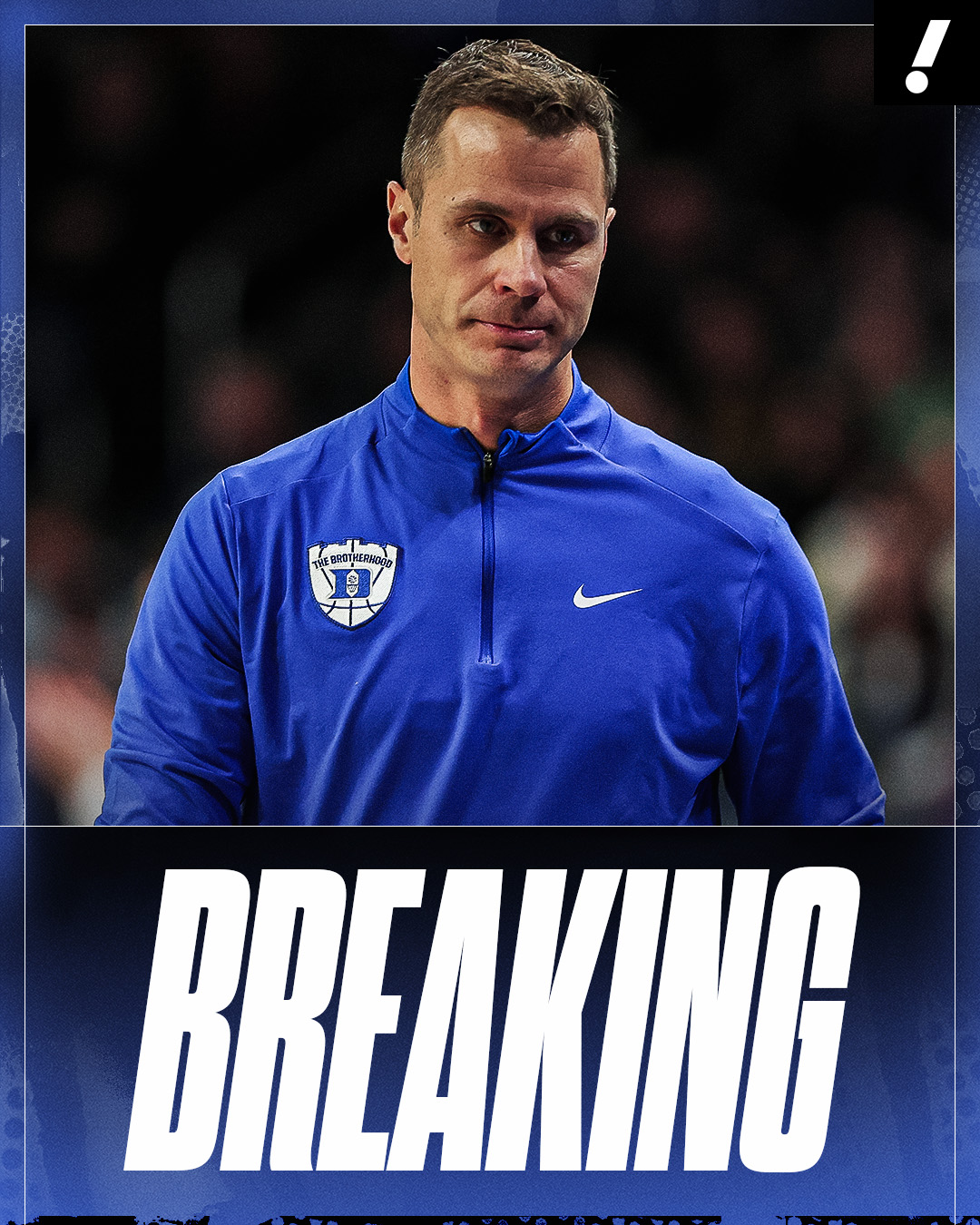
Duke’s decision to enter a first-of-its-kind enterprise partnership with Amazon marks a notable shift in the evolving relationship between college athletics and global media platforms. The agreement, which includes Prime Video televising three marquee men’s basketball games during the 2026–27 season, signals not only a new distribution model for high-profile college sports but also a broader rethinking of how elite programs can expand their reach and influence in a rapidly changing media landscape. For Duke, a program already synonymous with tradition, excellence, and national appeal, the move represents both a continuation of its forward-thinking approach and a calculated step into the future of sports entertainment.
At the center of the partnership are three highly anticipated matchups that would command national attention under any circumstances. Duke will face UConn in Las Vegas on November 25, creating an early-season showcase that blends prestige with spectacle. The Blue Devils will then take on reigning champion Michigan at Madison Square Garden on December 21, a setting that has long served as college basketball’s most iconic stage outside of the NCAA tournament itself. Finally, Duke will meet Gonzaga in Detroit on February 20, a late-season clash that could carry significant implications for seeding and momentum heading into March. Each of these games carries its own narrative weight, but collectively they form a package designed to maximize visibility, excitement, and commercial value.
What makes this arrangement particularly significant is not just the quality of the matchups, but the platform on which they will be broadcast. Prime Video’s involvement reflects the growing influence of streaming services in live sports, an area once dominated almost exclusively by traditional television networks. While the NFL, NBA, and other professional leagues have already begun integrating streaming into their media rights strategies, college athletics has been slower to embrace such changes at the highest level. Duke’s partnership suggests that this hesitation is fading, and that major programs are increasingly willing to explore alternative avenues to reach fans.
From Amazon’s perspective, the deal offers a valuable opportunity to deepen its foothold in live sports programming. College basketball, with its passionate fan base and built-in rivalries, provides compelling content that can attract both dedicated viewers and casual audiences. By securing games involving a program as recognizable as Duke, Amazon positions Prime Video as a destination for premium sports content, further enhancing its appeal in a competitive streaming market. The inclusion of games played in high-profile venues and featuring elite opponents only strengthens that proposition.
For Duke, the benefits extend beyond exposure. The partnership aligns with a broader strategy of innovation that has characterized the program for decades. Whether through recruiting, branding, or scheduling, Duke has consistently sought ways to stay ahead of the curve. Collaborating with a company like Amazon opens new possibilities in areas such as data analytics, fan engagement, and digital content distribution. It also provides a platform to showcase the program to a global audience, many of whom may not have access to traditional U.S. sports networks but can easily stream content online.
The choice of opponents further underscores the ambition behind the initiative. UConn, Michigan, and Gonzaga are not just strong programs; they are brands in their own right, each with a history of success and a national following. Matching Duke against these teams ensures that the games will carry significance beyond simple non-conference competition. They become events, capable of drawing attention from across the sports world and generating conversation well beyond the final buzzer. This is precisely the kind of content that streaming platforms seek—high-stakes, high-interest programming that can drive subscriptions and engagement.
The locations of the games add another layer of intrigue. Las Vegas has rapidly emerged as a hub for major sporting events, offering a unique blend of entertainment and accessibility. Hosting Duke and UConn there transforms the game into more than just a contest; it becomes part of a larger experience. Madison Square Garden, often referred to as the “Mecca of Basketball,” provides a historic backdrop that elevates any matchup played within its walls. Meanwhile, Detroit offers a passionate sports environment and a neutral site that can draw fans from multiple regions. Each venue contributes to the overall narrative, reinforcing the sense that these are not ordinary games but carefully curated showcases.
There is also a broader context to consider. College athletics is undergoing a period of significant transformation, driven by changes in name, image, and likeness policies, conference realignment, and shifting media dynamics. In this environment, programs are increasingly looking for ways to secure competitive and financial advantages. Partnerships like the one between Duke and Amazon represent a new frontier in that effort. By aligning with a major technology company, Duke gains access to resources and expertise that extend beyond traditional sports partnerships, potentially influencing everything from marketing strategies to fan interaction.
At the same time, the move raises questions about the future of college sports broadcasting. As more games migrate to streaming platforms, accessibility becomes a key issue. While services like Prime Video offer convenience and flexibility, they also require subscriptions, which may limit access for some fans. Balancing innovation with inclusivity will be an ongoing challenge for programs and broadcasters alike. Duke’s partnership will likely serve as a test case, providing insights into how audiences respond and what adjustments may be necessary moving forward.
The involvement of Amazon also hints at the potential for enhanced viewing experiences. Streaming platforms have the capability to integrate features such as real-time statistics, multiple camera angles, and interactive elements that go beyond what traditional broadcasts typically offer. For fans, this could mean a more immersive and personalized way to watch games. For the program, it creates opportunities to engage with supporters in new and meaningful ways, strengthening the connection between team and audience.
From a competitive standpoint, the games themselves promise to deliver high-quality basketball. Duke’s matchup with UConn pits two programs with rich histories and a track record of success in high-pressure situations. The contest against Michigan brings together a perennial powerhouse and the defending national champion, ensuring a level of intensity that will resonate with fans. The game against Gonzaga, a program known for its consistency and offensive prowess, provides a late-season test that could shape both teams’ trajectories heading into the postseason. Each matchup offers its own challenges and storylines, contributing to a schedule that is as demanding as it is compelling.
The timing of the games is also strategic. By placing one matchup early in the season, one in the middle, and one later on, the partnership maintains a steady presence throughout the college basketball calendar. This approach maximizes exposure and keeps Duke in the national conversation over an extended period. It also allows Prime Video to build momentum, using each game as a stepping stone to the next and creating a narrative arc that can engage viewers over time.
Ultimately, Duke’s partnership with Amazon reflects a broader shift in how sports are consumed and monetized. As technology continues to reshape the media landscape, traditional boundaries are being redefined. Programs that are willing to adapt and innovate stand to benefit, while those that remain tied to conventional models risk falling behind. Duke’s decision to embrace this change positions it at the forefront of a new era, one in which the lines between sports, entertainment, and technology are increasingly blurred.
The success of this উদ্যোগ will depend on a variety of factors, from the quality of the games themselves to the effectiveness of the broadcast and the response from fans. If it proves successful, it could pave the way for similar partnerships across college athletics, fundamentally altering the way games are scheduled, broadcast, and experienced. For now, it represents a bold and intriguing خطوة, one that underscores Duke’s commitment to staying ahead in a constantly evolving landscape.
In many ways, this partnership is about more than just three games. It is a statement about where college basketball is headed and how its most prominent programs are choosing to navigate that مسیر. By aligning with Amazon and embracing the امکانات of streaming technology, Duke is not only expanding its reach but also helping to shape the future of the sport.