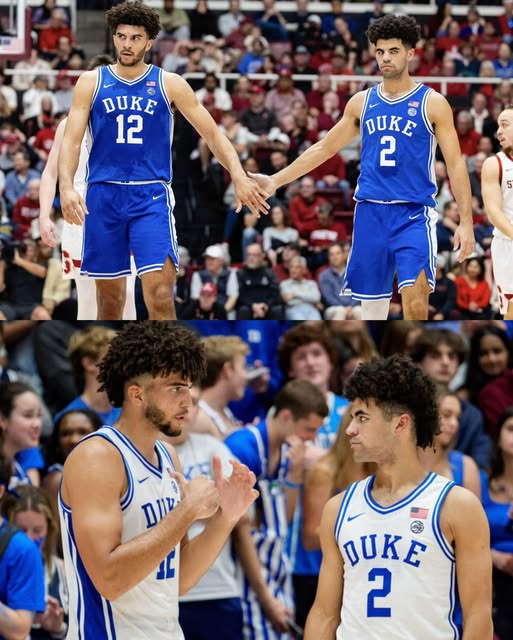
The Power of Family and Loyalty in College Basketball: Cameron Boozer’s Decision to Return to Duke
In the high-stakes world of college basketball, decisions made by talented athletes are often driven by a complex interplay of factors: athletic opportunity, coaching staff, academic considerations, team dynamics, and personal values. Among these, the influence of family and personal loyalty can sometimes play a decisive role, shaping the trajectory of a player’s career and their personal journey.
Cameron Boozer’s recent declaration—“I’m not leaving my brother”—and his decision to return to Duke University encapsulate this deeply human aspect of sports: loyalty, familial bonds, and the desire to stay close to loved ones amid the pressures and opportunities of elite college athletics.
This decision, while seemingly simple on the surface, carries profound implications not only for Boozer’s personal path but also for Duke’s basketball program, his family, and the broader college sports community. It reflects a narrative of unwavering loyalty and prioritization of family bonds over external factors, emphasizing that for some athletes, the human element outweighs the allure of athletic glory or potential endorsements.
Contextualizing Cameron Boozer’s Decision
To understand the significance of Boozer’s statement, it’s essential to consider the context surrounding his recruitment, his relationship with his brother, and the environment at Duke. Cameron Boozer, a highly touted basketball prospect, has garnered attention for his talent, basketball IQ, and leadership qualities. His recruitment was a national story, with multiple programs vying for his services, but ultimately, his close bond with his brother, who is also an aspiring basketball player, played a pivotal role in his decision to return to Duke.
The phrase “I’m not leaving my brother” suggests that Cameron’s connection to his sibling is a core motivator in his choices. This bond may stem from shared experiences, familial support, or a desire to navigate the challenges of college life and basketball together. It’s a reminder that beneath the glitz of college athletics, personal relationships often influence major decisions, with athletes seeking stability, support, and a sense of family.
The Significance of Family in Athletic Decisions
Family loyalty is a recurring theme in sports narratives. Many athletes cite family support, influence, and shared goals as vital components of their careers. For Cameron Boozer, this loyalty likely provides emotional grounding amid the intense pressures of being a top recruit. Staying close to his brother might mean a sense of security, shared aspirations, and mutual motivation.
In the competitive landscape of college basketball, where players often transfer to different programs for better opportunities or coaching fit, Boozer’s choice to prioritize family over potential external benefits signifies a different set of values. It underscores that for some athletes, personal bonds are more meaningful than individual accolades or even team success.
Moreover, this decision could inspire other young athletes to value their familial relationships, emphasizing that loyalty and personal connections can be just as important as athletic achievement. It also highlights the importance of programs and coaches who understand and support players’ holistic lives, including their families.
The Role of Duke University and Its Environment
Duke University, with its storied basketball tradition and history of developing NBA talents, provides an ideal environment for a player like Cameron Boozer. The program’s culture emphasizes excellence, discipline, and academic achievement, all within a supportive community.
Cameron’s decision to return to Duke likely reflects his belief that the program offers the right environment to grow both as a player and as a person, especially with the support of his family nearby. The coaching staff’s understanding of personal priorities and their commitment to nurturing student-athletes beyond just their athletic abilities can make Duke an attractive destination for players who value stability and familial bonds.
Furthermore, Duke’s reputation for building strong relationships with its players, emphasizing player development, and fostering a sense of family within the team dynamic aligns well with Cameron’s declaration. It suggests that the program respects and values the personal lives of its athletes, recognizing that their well-being extends beyond the court.
Implications for Duke’s Program and Future Prospects
Cameron Boozer’s decision to stay at Duke and his emphasis on family loyalty could have a ripple effect within the program. It reinforces the perception that Duke is not just a basketball powerhouse but also a place where players’ personal values are respected and prioritized.
For Duke, this decision might boost morale among current players and recruits, signaling a culture that supports individual priorities and familial bonds. It could also influence recruiting strategies, attracting prospects who value a holistic approach to college life and athletics.
From a competitive standpoint, having Boozer stay committed to Duke strengthens the team’s roster. His talent, leadership, and emotional stability contribute to the team’s chemistry and chances for success in upcoming seasons. Coaches can now focus on developing a cohesive unit, knowing that their players’ motivations align with the program’s values.
Broader Themes: Loyalty, Loyalty, and Personal Fulfillment
Cameron Boozer’s statement encapsulates a broader theme prevalent in sports and life: the importance of loyalty, personal fulfillment, and staying true to oneself. In a world where athletes are often pressured to chase fame, endorsements, or transfers for better opportunities, his choice underscores that personal values can trump external incentives.
This scenario also raises questions about the evolving landscape of college athletics, where transfer portals and NIL (Name, Image, Likeness) deals have increased mobility and opportunities for athletes. Boozer’s decision to prioritize family over potential financial benefits or athletic advantages exemplifies a different approach—one rooted in personal conviction and emotional bonds.
This narrative resonates beyond sports, touching on universal themes of loyalty to family, the importance of community, and the pursuit of happiness and personal integrity. It challenges the prevailing narratives that often emphasize individual success over personal relationships, reminding us that fulfillment often comes from staying connected to one’s roots.
The Impact on Cameron Boozer’s Personal Journey
For Cameron Boozer, this decision marks a pivotal moment in his personal and athletic journey. Choosing to stay at Duke because of his brother signifies maturity, a commitment to family, and a deep understanding of what matters most in life. It demonstrates that his priorities extend beyond the court and that he values the support system and shared aspirations with his sibling.
This choice may also influence his development as a leader and role model. Demonstrating unwavering loyalty and prioritizing family can inspire teammates and future recruits, fostering a culture of authenticity, compassion, and unity within the team.
Moreover, this decision could shape Boozer’s future, both as a player and as a person. Staying close to family during formative college years can provide emotional stability, resilience, and motivation—qualities that will serve him well in his athletic career and beyond.
The Broader Cultural and Social Significance
Cameron Boozer’s declaration and decision also reflect larger societal themes. In an era marked by rapid change, digital connectivity, and shifting values, choosing loyalty and personal integrity over external gains is a powerful statement.
It emphasizes that success is not solely defined by accolades, fame, or financial rewards but also by staying true to oneself and one’s loved ones. His stance can resonate with many young people facing similar dilemmas—balancing personal values with societal pressures.
Furthermore, this decision underscores the importance of family support in personal development and achievement. It highlights that, regardless of external circumstances, the bonds we forge with loved ones can be guiding lights in our lives.
Possible Future Scenarios and Outcomes
Looking ahead, Cameron Boozer’s decision to stay at Duke and prioritize his family could lead to several positive outcomes:
Enhanced Team Cohesion: His commitment might inspire camaraderie and loyalty within the team, fostering a resilient and united squad capable of competing at the highest levels.
Leadership Development: As a player who values family and loyalty, Boozer could emerge as a team leader, setting an example for younger teammates and establishing himself as a cornerstone of Duke’s future success.
Personal Growth: Remaining close to his brother and family can provide the emotional support necessary for Boozer to excel academically and athletically, ensuring he remains motivated and grounded.
Positive Recruiting Signal: Prospective recruits who value personal integrity and family connections might view Duke more favorably, strengthening its reputation as a program that respects athletes’ holistic lives.
Long-term Fulfillment: Ultimately, this decision aligns with a life philosophy that prioritizes meaningful relationships over transient achievements, paving the way for a fulfilling and balanced life beyond basketball.
Cameron Boozer’s declaration—“I’m not leaving my brother”—and his decision to return to Duke encapsulate a powerful narrative of loyalty, family, and staying true to one’s values. In a landscape often driven by external incentives, his choice underscores that personal relationships and integrity remain central to authentic success.
This decision not only impacts Boozer’s personal journey but also serves as an inspiring example for athletes, coaches, and fans alike. It highlights that amid the pursuit of athletic excellence, the bonds of family and loyalty can remain the guiding principles, shaping a life and career defined by authenticity, compassion, and unwavering dedication to what truly matters.
As college basketball continues to evolve, stories like Cameron Boozer’s remind us that at the heart of the game are human stories—stories of loyalty, love, and the enduring power of family. His choice to prioritize his brother demonstrates that sometimes, the greatest victories are not just on the scoreboard but in staying true to oneself and the people who matter most.