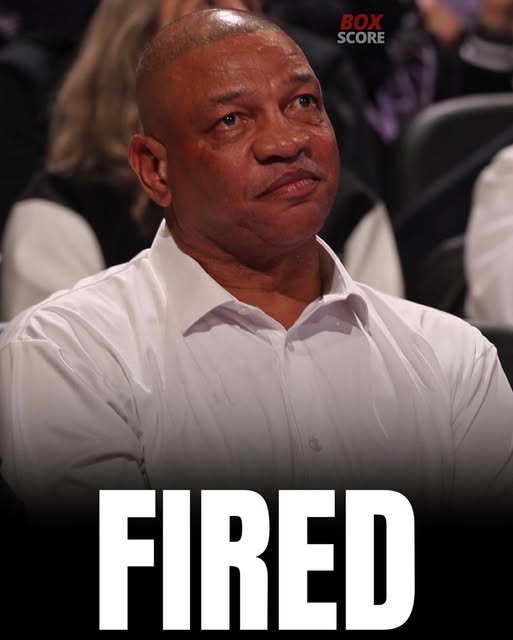
In the high-stakes world of professional basketball, coaching changes can signal a pivotal shift in a team’s trajectory—whether aiming to reignite their championship push, rebuild for the future, or adapt to new strategic philosophies. Recent league sources indicate that the Milwaukee Bucks are undergoing such a significant transition, with reports confirming the dismissal of head coach Doc Rivers. The team is now poised to appoint Darvin Ham as its new leader on the sidelines, a move that has generated widespread discussion among fans, analysts, and insiders alike.
This article delves into the details of this coaching upheaval, exploring the reasons behind Rivers’s departure, the potential impact of Ham’s appointment, and what this change means for the Bucks’ future ambitions.
The Milwaukee Bucks: A Franchise Built on Excellence
Before examining the coaching shake-up, it’s essential to understand the context of the Milwaukee Bucks as a franchise. Established as an NBA team in 1968, the Bucks have experienced periods of struggle and success, culminating in their 1971 NBA Championship with legendary player Kareem Abdul-Jabbar and a resurgence in recent years driven by Giannis Antetokounmpo.
Giannis’s emergence transformed the Bucks into perennial playoff contenders, culminating in their 2021 NBA Finals appearance and subsequent championship victory in 2021—their first in over 50 years. Under the leadership of head coach Mike Budenholzer, the Bucks achieved significant success, emphasizing a strong defensive identity and versatile offense.
However, despite their accomplishments, the team faced setbacks and unmet expectations, especially in recent playoff runs, prompting management to reevaluate their coaching strategy.
The Rise and Fall of Doc Rivers in Milwaukee
Doc Rivers, a highly respected figure in the NBA coaching community, joined the Bucks as head coach in 2023, bringing a wealth of experience from successful tenures with the Boston Celtics and Los Angeles Clippers. Rivers’s reputation as a coach capable of guiding teams deep into the playoffs made him an attractive candidate for the Bucks, especially as they sought to maximize Giannis’s prime years.
During his tenure, Rivers was tasked with rejuvenating the Bucks’ championship aspirations, implementing his disciplined approach, and fostering a culture of resilience. Unfortunately, despite his leadership, the team’s postseason performance did not meet expectations. The Bucks were eliminated earlier than anticipated in recent playoff runs, with some questioning whether Rivers’s strategies aligned with the team’s evolving roster and style.
Sources close to the team reveal that behind the scenes, there were concerns about tactical adjustments, player-coach dynamics, and the team’s ability to execute under pressure. While Rivers’s experience and calm demeanor remained assets, the franchise’s front office believed that a coaching change was necessary to unlock the team’s full potential.
The Decision to Dismiss Doc Rivers
The decision to part ways with Rivers was reportedly mutual but driven by the franchise’s desire for a new direction. League insiders suggest that the Bucks’ management, including General Manager Jon Horst and team ownership, felt that a fresh voice and different strategic approach could better serve their championship ambitions.
Sources indicate that Rivers was informed of the decision after a thorough review of the team’s recent performances, especially focusing on playoff execution and adaptability. While Rivers’s overall record with the Bucks was solid, the organization’s leadership emphasized that they wanted to pursue a coaching style more aligned with the team’s roster, which features a blend of star power, versatile role players, and a focus on fast-paced, aggressive defense.
The timing of the dismissal also aligns with the NBA’s offseason, giving the franchise an opportunity to evaluate coaching candidates, assess roster needs, and prepare for the upcoming season.
Enter Darvin Ham: A New Leadership Vision
The league’s sources further reveal that the Bucks are set to hire Darvin Ham as their new head coach. Ham, currently an assistant coach with the Los Angeles Lakers, is widely regarded as an up-and-coming coaching talent with a strong reputation for player development, tactical acumen, and leadership.
Ham’s coaching philosophy emphasizes defense, ball movement, and empowering players to take ownership of their roles—traits that align with the Bucks’ organizational identity. His experience working with star players and managing high-pressure situations makes him an appealing candidate for Milwaukee.
Darvin Ham’s Background and Coaching Philosophy
Darvin Ham’s journey in the NBA is a testament to perseverance and continuous growth. A former NBA player with a reputation as a gritty defender and versatile wing, Ham transitioned into coaching after his playing career ended. He initially served as an assistant coach with the Atlanta Hawks and later with the Lakers, where he worked closely with star players like LeBron James and Anthony Davis.
Ham’s coaching style is characterized by a meticulous focus on defense, attention to detail, and fostering a culture of accountability. He believes in empowering players to be confident and aggressive, encouraging fluid ball movement and versatile defensive schemes.
In interviews, Ham has expressed a desire to build cohesive teams that adapt to the strengths of their personnel—an approach that resonates with the Bucks’ roster, which features Giannis Antetokounmpo, Khris Middleton, and a supporting cast of talented role players.
The Strategic Fit: Why Darvin Ham Makes Sense for Milwaukee
Milwaukee’s roster is built around Giannis’s unique skill set—an unstoppable force in the paint, a versatile defender, and a player who thrives with a fast-paced, attacking style. However, to maximize Giannis’s impact, the team needs a coach who can implement strategic flexibility, optimize defensive schemes, and foster a resilient, high-energy culture.
Ham’s emphasis on defense and player empowerment aligns with these needs. His experience with star players and ability to adapt schemes to suit team strengths make him an ideal candidate for Milwaukee’s ambitions. Moreover, Ham’s reputation as a developer of young talent and a motivator could help the Bucks elevate their supporting cast, which has sometimes struggled to perform consistently in the postseason.
What This Change Means for the Bucks’ Future
The appointment of Darvin Ham signals a new chapter for the Bucks. It reflects the franchise’s willingness to embrace change in pursuit of sustained success, especially as they seek to capitalize on Giannis’s prime years.
This coaching move also underscores a broader organizational strategy—prioritizing defense, versatility, and player development. The Bucks now aim to build a cohesive system that can adapt to different playoff challenges, whether facing high-scoring offenses or elite defensive teams.
Furthermore, Ham’s arrival could influence the team’s approach in the upcoming offseason, including roster adjustments, strategic shifts, and leadership development. His mentorship could also be pivotal in nurturing emerging talent and preparing the team for deep playoff runs.
The Competitive Landscape and Expectations
Milwaukee’s decision to replace Rivers with Ham comes amid a highly competitive Eastern Conference, where teams like the Boston Celtics, Miami Heat, Philadelphia 76ers, and Brooklyn Nets are all vying for supremacy. The Bucks’s championship window remains open, but they face stiff competition.
Fans and analysts expect that under Ham’s leadership, Milwaukee will continue to be a formidable contender. The key will be how effectively the team adapts to Ham’s tactical philosophy and how well the roster aligns with his vision.
While coaching changes alone do not guarantee success, they often serve as catalysts for renewed motivation and strategic innovation. The Bucks are betting that Ham’s energetic, detail-oriented approach can unlock new levels of excellence and push the team closer to their ultimate goal—another NBA championship.
Reactions from the Basketball Community
The league’s coaching fraternity and basketball analysts have reacted positively to Milwaukee’s move. Many praise Ham’s player-centric approach and potential to foster a resilient team culture. Former players and coaches have highlighted his leadership qualities and tactical intelligence, emphasizing that he could be a long-term solution for the Bucks.
Conversely, some skeptics point out that coaching changes are only part of the equation, and success will depend on roster adjustments, health, and execution. Nonetheless, the consensus is that Milwaukee’s front office has made a bold and strategic decision to elevate the team’s championship prospects.
The Road Ahead: Challenges and Opportunities
As Darvin Ham prepares to take the helm, he faces several challenges: integrating his system with existing players, managing high expectations, and navigating the complexities of postseason basketball. He must also address roster needs, possibly seeking to bolster the bench or acquire complementary star talent.
On the other hand, this coaching change presents opportunities for innovation, renewed energy, and a fresh tactical approach. It allows the Bucks to reset their mindset and approach the upcoming season with a sense of purpose and strategic clarity.
Conclusion: A New Era for the Milwaukee Bucks
The Milwaukee Bucks’ decision to dismiss Doc Rivers and appoint Darvin Ham marks a significant turning point in the franchise’s journey. It exemplifies a willingness to adapt and evolve in pursuit of sustained success—a mindset that has defined many championship-winning teams.
With Ham’s leadership, the Bucks hope to harness their roster’s full potential, foster a resilient team culture, and ultimately bring another NBA championship to Milwaukee. As the basketball world watches closely, one thing is clear: the Bucks are entering a new era, and the future looks promising.
This coaching shake-up underscores that in the NBA, change is not just inevitable—it’s often necessary for those aiming to stay at the pinnacle of the sport.
League sources indicate the Milwaukee Bucks are dismissing head coach Doc Rivers, with Darvin Ham set to take over the team’s leadership.