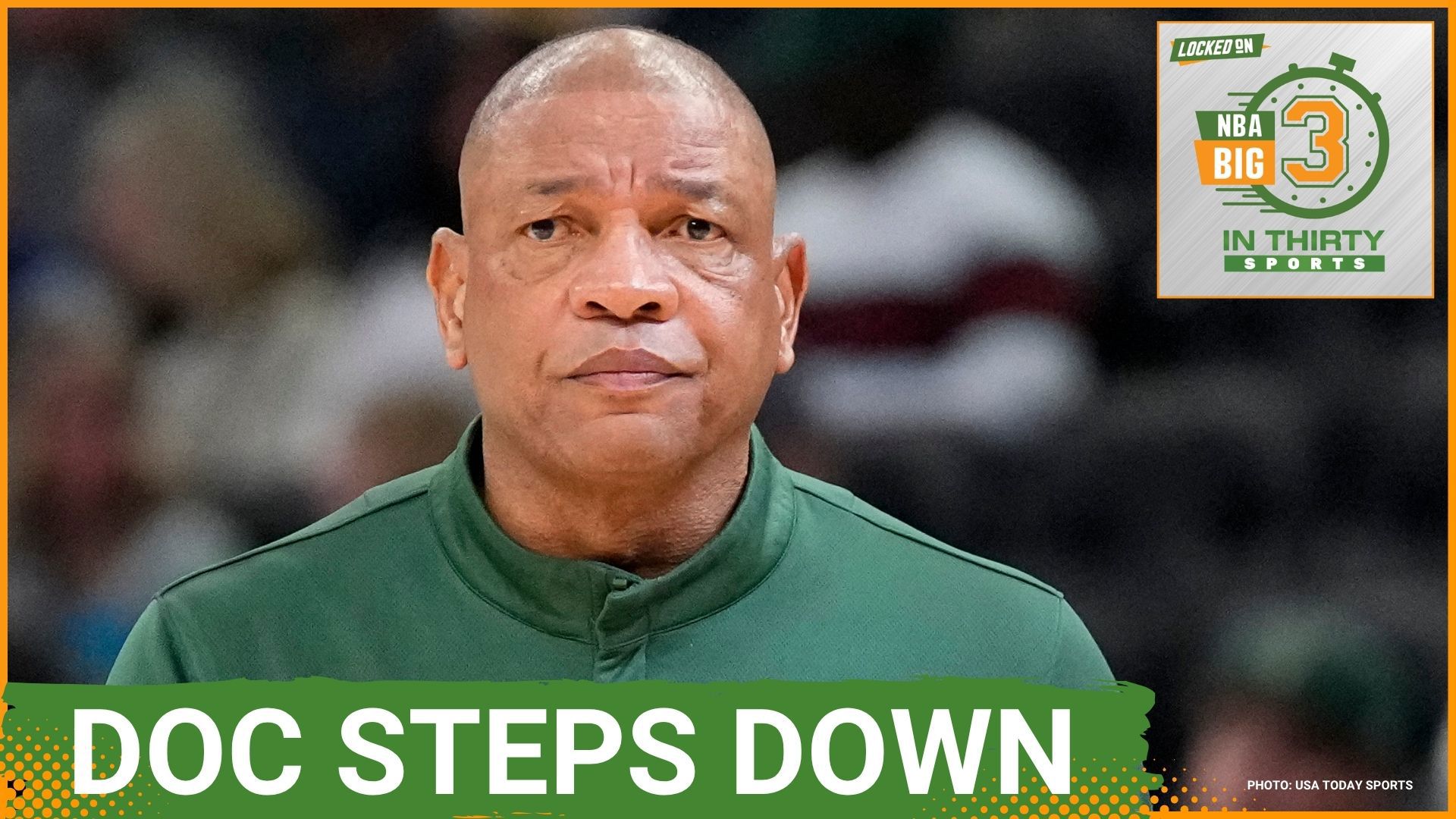
The Milwaukee Bucks, a franchise known for its resilience and championship aspirations, have experienced a tumultuous season that culminated in significant changes within their leadership. The resignation of head coach Doc Rivers marks the end of a chapter that, despite high hopes, was marred by underperformance and unmet expectations. Following an 11th-place finish in the Eastern Conference — a startling outcome for a team with championship ambitions — the Bucks are now charting a new course. This article delves into the circumstances leading to Rivers’ departure, the factors behind the team’s disappointing season, and what the future might hold for Milwaukee as they seek to rebuild and reassert their status in the league.
The Rise and Fall of Expectations
The Milwaukee Bucks entered the current NBA season with optimism rooted in their recent success. Led by the franchise superstar Giannis Antetokounmpo, the team had established itself as a perennial playoff contender. The Bucks had experienced deep postseason runs, including an NBA Finals appearance in 2021, and were viewed as serious contenders for another title.
With a roster featuring key players such as Khris Middleton, Jrue Holiday, and emerging talents, expectations were high. The team’s core was built around a combination of star power, defensive grit, and a commitment to team-oriented basketball. The coaching staff, led by Doc Rivers, was tasked with maximizing this talent and guiding the team through the rigors of a demanding season.
However, the season unfolded differently from the aspirations fans and analysts had envisaged. Injuries, inconsistent performances, and internal issues contributed to a series of setbacks. The Bucks struggled to find their rhythm, and by the time the regular season concluded, they finished 11th in the Eastern Conference — a position that was both shocking and unacceptable for a team of their caliber.
The Disappointing Performance and Its Roots
The Bucks’ disappointing finish was the result of multiple intertwined factors. Injuries played a significant role. Key players, including Giannis and Middleton, spent considerable time on the sidelines or playing through discomfort, which hampered team cohesion and performance. The absence of reliable bench production and inconsistent defense further exacerbated their struggles.
Offensively, the team lacked fluidity and failed to generate enough scoring when it mattered most. Defensive lapses and turnovers contributed to losses in crucial games. The chemistry that had previously propelled the Bucks to deep playoff runs seemed to dissipate amid a string of poor performances. Moreover, the team’s mental resilience was tested as losses piled up, and confidence waned.
Beyond the on-court issues, internal dynamics and leadership questions also surfaced. Rumors of unrest or frustration within the locker room gained traction, adding another layer of complexity to the team’s struggles. These issues, combined with coaching adjustments that failed to yield immediate results, created a perfect storm of disappointment.
The Decision to Change Leadership: Doc Rivers’ Resignation
Amidst these challenges, the Milwaukee Bucks’ management made a decisive move. Following the culmination of an underwhelming season, the decision was made for Doc Rivers to step down as head coach. Rivers, who had been hired to bring experience, stability, and a winning mentality, faced criticism for the team’s inability to meet expectations.
Rivers, a highly respected figure in the league with a storied coaching career, including success with the Boston Celtics and Los Angeles Clippers, accepted responsibility for the team’s shortcomings. In a statement, Rivers expressed gratitude for his time in Milwaukee and emphasized the importance of finding the right fit for future success.
The resignation marked the end of a tenure that, despite some notable achievements, was ultimately defined by unmet goals. Rivers’ departure was seen both as an acknowledgment of the team’s need for a new direction and an opportunity for the franchise to reset.
The Impact on the Franchise
Rivers’ exit sent shockwaves through the Bucks organization and their fanbase. As a seasoned coach with a reputation for developing talent and fostering team chemistry, his departure raised questions about the team’s future coaching staff and strategic approach.
For players, especially Giannis, the coaching change represented a potential turning point. Giannis has been vocal about his desire to win a championship and his willingness to adapt and grow. The new leadership could provide a fresh perspective and renewed motivation.
The decision also underscored the franchise’s commitment to accountability and improvement. Milwaukee’s management recognized that the team’s current trajectory was unsustainable and that bold action was necessary to correct course.
The Search for a New Direction
With Rivers’ resignation, the Bucks are now embarking on a search for a new head coach who can bring renewed energy, innovative strategies, and a cohesive vision. This transition period is critical, as the franchise aims to rebuild confidence and re-establish itself as a serious contender.
Several coaching candidates are reportedly being considered, ranging from experienced veterans to innovative tacticians. The organization is seeking someone who can develop young players, maximize Giannis’s strengths, and implement a defensive-minded philosophy that has long been a hallmark of Bucks basketball.
In addition to coaching, the team’s management is evaluating roster decisions, potential trades, and free-agent signings to strengthen the squad. The goal is to assemble a balanced team capable of competing at a high level and overcoming the deficiencies that plagued the current season.
Rebuilding the Roster and Culture
Rebuilding is not solely about coaching changes; it involves cultivating a winning culture that emphasizes accountability, resilience, and teamwork. The Bucks’ management recognizes this and is committed to making strategic moves to secure their future.
For instance, discussions around reshaping the roster might involve trading some players who have underperformed or are not aligned with the team’s long-term vision. Drafting young talent and developing existing players will also be prioritized.
Furthermore, fostering a positive locker room environment and reinforcing the team’s core values will be key to overcoming internal discord and building chemistry. The leadership’s focus will be on creating a culture where players are motivated, engaged, and committed to collective success.
The Road Forward: Challenges and Opportunities
The Bucks face a period of significant uncertainty, but also immense opportunity. Change, while challenging, can serve as a catalyst for growth and renewal.
Key challenges include integrating new coaching philosophies, developing young players, and navigating the competitive landscape of the NBA. The Eastern Conference remains highly competitive, with powerhouses like the Boston Celtics, Miami Heat, and Philadelphia 76ers vying for top spots.
However, Milwaukee’s rich history of resilience and Giannis’s leadership provide a solid foundation. The franchise’s front office has a track record of making smart moves, and their willingness to adapt demonstrates their commitment to returning to contention.
The upcoming offseason will be crucial. The Bucks’ management must identify the right coaching candidate, shape the roster accordingly, and foster a culture that aligns with their championship ambitions. Patience and strategic planning will be vital as they aim to reestablish themselves as a formidable force.
The Fanbase’s Perspective
For Bucks fans, the 2023-2024 season has been a rollercoaster of disappointment and hope. The resignation of Doc Rivers and the team’s poor performance have tested their loyalty and patience.
Many fans recognize that rebuilding takes time and that leadership changes are part of the process. Social media platforms and fan forums have been filled with discussions about the future, hopes for a new coaching staff, and aspirations for a return to playoff prominence.
Despite the setbacks, the community’s passion remains strong. Milwaukee has a proud basketball tradition, and supporters are eager to see their team rise again. The team’s resilience, Giannis’s leadership, and the promise of new leadership provide optimism for the seasons ahead.
A New Chapter for the Milwaukee Bucks
The resignation of Doc Rivers marks a pivotal moment in the Milwaukee Bucks’ history. After a disappointing 11th-place finish in the Eastern Conference, the franchise is making a decisive move to reset and rebuild. This transition offers an opportunity to address internal issues, craft a new strategic vision, and ultimately aim for sustained success.
While the road ahead is fraught with challenges, it also holds promise. The Bucks have the talent, the fan support, and a management committed to excellence. With the right coaching hire, roster adjustments, and a focus on fostering a strong team culture, Milwaukee can reclaim its place among the NBA’s elite.
Change is never easy, but it can be the catalyst for growth. As the Bucks navigate this new chapter, fans and analysts alike will be watching closely, hopeful that this restructuring will lead to brighter days and a return to championship contention.
Doc Rivers has resigned as the head coach of the Milwaukee Bucks. Following a lackluster 11th-place finish in the Eastern Conference, the team is heading in a new direction.