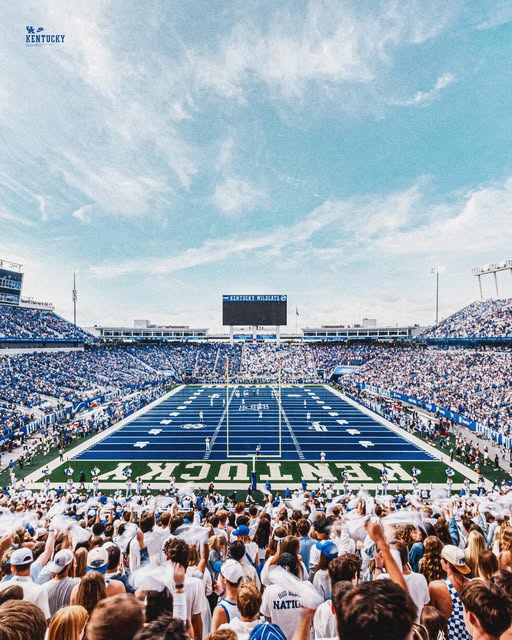
In the world of college sports, tradition often meets innovation in a delicate balance. Kentucky Football’s announcement that Kroger Field will feature a blue turf playing surface this summer marks a bold step into uncharted territory, signaling a new era of stadium identity, fan engagement, and team branding. As the Wildcats prepare to debut this striking new look in the upcoming fall season, the decision has sparked excitement, curiosity, and debate across the college football landscape.
This article explores the significance of the blue turf installation, its history, the reasoning behind this bold move, and what it could mean for Kentucky football’s future. From the details of the project to the broader implications for sports branding and fan experience, we delve into every aspect of this exciting development.
The Origins of the Blue Turf Concept
The idea of installing colored turf surfaces in sports isn’t entirely new. Over the years, various teams and stadiums have experimented with different colors to foster team identity, create unique fan experiences, or generate media buzz. Notable examples include the University of Connecticut’s Gampel Pavilion, which features a blue court for basketball, and the University of Florida’s “Swamp” with its distinctive orange and blue colors.
However, colored turf in football is relatively rare and often met with mixed reactions. The most famous example is Boise State University’s iconic blue turf, which they installed in 1986. Known as “The Smurf Turf,” the Boise State field has become a symbol of the program’s identity, a marketing tool, and a source of pride for the Broncos’ fans. Boise State’s success and the national attention garnered by its vibrant field have inspired other programs to consider similar bold moves.
Kentucky’s decision to adopt a blue turf at Kroger Field draws inspiration from Boise State’s success but also aims to forge its own distinct identity within the college football landscape. The Wildcats’ management and athletic department see this as an opportunity to stand out among SEC programs and to create a memorable game-day environment.
Kroger Field’s Transformation: From Tradition to Innovation
Kroger Field, located in Lexington, Kentucky, has a storied history dating back to its opening in 1973. Originally known as Commonwealth Stadium, it has been home to Kentucky football for nearly five decades. Over the years, the stadium has undergone multiple renovations, expanding seating capacity, upgrading facilities, and enhancing fan amenities.
Despite these improvements, the playing surface remained traditional green turf—until now. The decision to install blue turf is part of a broader strategic vision to modernize the stadium, boost fan engagement, and elevate the program’s branding.
The process of installing a colored turf involves significant planning and investment. The turf must meet NCAA and SEC standards for safety, durability, and performance. High-quality synthetic fibers are used to ensure longevity, especially given the wear and tear from multiple games each season. The project also involves logistical planning, including scheduling installation during the summer months to avoid disrupting the team’s practice schedule and home games.
Kentucky’s athletic department has partnered with leading turf manufacturers specializing in colored and patterned surfaces. The goal is to create a vibrant, safe, and functional playing field that can withstand the rigors of a demanding college football schedule.
The Design and Aesthetic Appeal of Blue Turf
The visual impact of a blue turf is undeniable. When completed, Kroger Field will transform into a striking spectacle, especially under stadium lights and in game-day atmospheres. The vivid blue surface will serve as a powerful branding tool, making Kentucky games visually distinctive and memorable.
The shade of blue chosen for Kroger Field is carefully selected to complement the Wildcats’ team colors—blue and white—while ensuring visibility for players, officials, and broadcasters. The design may incorporate subtle accents or logos embedded into the turf, further enhancing the aesthetic appeal and reinforcing team identity.
Beyond aesthetics, the blue turf aims to create an immersive fan experience. Fans attending games will be part of an unprecedented visual environment that emphasizes Kentucky’s unique spirit. It also provides excellent photo opportunities for social media sharing, helping to generate buzz and attract new fans.
The Significance of the “Go Big Blue” Movement
Kentucky’s Native nickname, “Big Blue Nation,” reflects the passionate community of fans, alumni, students, and supporters who rally behind the Wildcats. The blue turf installation aligns perfectly with this identity, transforming Kroger Field into a true “Big Blue” showcase.
The hashtag #GoBigBlue captures the enthusiasm and pride of the Kentucky faithful. The move to blue turf is more than just a visual change; it’s a statement of confidence, ambition, and a desire to elevate the program’s national profile.
This bold move is also a way to energize the fan base, create excitement around upcoming seasons, and foster a sense of unity and pride. For recruits and visiting teams alike, the blue turf will be a memorable feature that underscores Kentucky’s willingness to innovate and push boundaries.
The Strategic Impact on Recruiting and Media
In college football, visual branding plays a crucial role in recruiting top talent. A unique and striking stadium environment can serve as a powerful recruiting tool, setting a program apart from competitors. The blue turf at Kroger Field positions Kentucky as an innovative and forward-thinking program willing to embrace bold ideas.
High school prospects and their families often look for programs that offer a memorable experience, a supportive environment, and a distinctive identity. The blue turf adds to Kentucky’s appeal by demonstrating a commitment to excellence and creativity.
Moreover, the visual spectacle of blue turf enhances media coverage, television broadcasts, and social media content. Game footage shot against the vibrant blue surface will stand out, increasing the program’s visibility and appeal. This can translate into higher ratings, more media attention, and greater national recognition.
Potential Challenges and Criticisms
While the blue turf has garnered excitement, it also faces some challenges and criticisms. Traditionalists may argue that changing the stadium’s look disrupts the classic college football aesthetic rooted in green fields. Others raise concerns about potential distractions for players or the risk of the surface appearing overly gimmicky.
Additionally, colored turf surfaces can pose logistical issues, such as increased maintenance costs and concerns about field markings fading over time. Proper planning and ongoing investment are necessary to ensure the turf remains vibrant and safe throughout the season.
Kentucky’s athletic department has addressed these concerns by emphasizing the safety standards of the turf, the planning behind the project, and the long-term benefits of creating a distinctive identity. They also highlight that the blue turf is optional for special occasions and that the team will still play on a traditional-looking field during certain events if needed.
The Broader Context of Stadium Innovation in College Sports
Kentucky’s move to blue turf fits within a larger trend of stadium innovation and branding in college sports. Schools across the country are exploring ways to improve fan engagement, boost revenue, and elevate their brand presence.
From LED lighting displays to augmented reality experiences, college programs are leveraging technology and design to stand out. The blue turf at Kroger Field adds a visual and symbolic element that aligns with this trend.
Other programs have experimented with different colors, patterns, or logos on their fields, often as part of marketing campaigns or special events. Boise State’s blue field remains the most iconic example, demonstrating how a bold stadium feature can become a national symbol.
Kentucky’s decision to follow suit reflects a desire to be part of this innovative movement, using stadium design as a way to create a unique and memorable atmosphere for players and fans alike.
Fan Engagement and Community Impact
The blue turf installation is expected to energize the Kentucky fan base. Fans love to rally around unique stadium features, and the blue field will become a focal point for game-day traditions, celebrations, and social media content.
Community engagement efforts may include special events, promotional campaigns, and themed game days centered around the new look. The blue turf can serve as a source of pride for students, alumni, and local residents, fostering a stronger sense of community and identity.
Furthermore, the visual transformation of Kroger Field can attract tourists and visitors to Lexington, boosting local businesses and enhancing the city’s reputation as a college football destination.
Future Implications and Legacy
The installation of blue turf at Kroger Field sets a precedent for future stadium innovations within college football. It signals Kentucky’s willingness to embrace change and to lead in creating a distinctive program identity.
If successful, the project could inspire other programs to consider similar bold moves, fostering a culture of innovation within college sports. The long-term legacy of the blue turf will depend on how well it enhances the game-day experience, supports recruiting efforts, and elevates Kentucky’s national profile.
Moreover, the blue turf could become a signature feature associated with Kentucky football—much like Boise State’s blue field—becoming an enduring symbol of the Wildcats’ ambition and spirit.