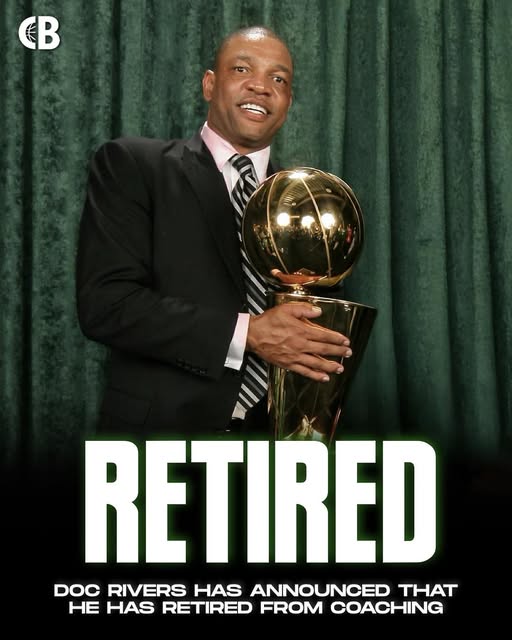
In the world of professional basketball, few figures have made as profound and lasting an impact as Doc Rivers. With a coaching career spanning over two decades, Rivers has established himself as one of the most respected and influential minds in the NBA. Recently, Rivers announced his retirement as an NBA head coach, a moment that marks the end of an era but also celebrates a legacy defined by perseverance, leadership, and success.
This detailed account delves into Doc Rivers’s journey—from his playing days to his coaching milestones, the teams he led, the championships he earned, and the enduring influence he has exerted on players, fans, and the sport itself. It also reflects on his leadership style, challenges, and the reasons why he is widely regarded as one of the best in the game.
Early Life and Playing Career
Born on October 13, 1961, in Chicago, Illinois, Glenn “Doc” Rivers grew up with a passion for basketball. His nickname “Doc” reportedly originated from his college days, and it stuck with him throughout his career. Rivers played college basketball at Marquette University, where he showcased his skills as a point guard. His tenacity, court vision, and leadership qualities were evident early on.
Following his college career, Rivers was selected by the Atlanta Hawks in the 1983 NBA Draft. His playing career spanned over a decade, during which he played for the Atlanta Hawks, Los Angeles Clippers, and San Antonio Spurs. Though not a superstar in terms of scoring, Rivers was known for his tenacity, basketball IQ, and leadership on the court. His playing days laid the foundation for his understanding of the game, which would later translate into a successful coaching career.
Transition to Coaching
After retiring as a player, Rivers quickly transitioned into coaching, beginning as a TV analyst before taking his first coaching job. His early coaching days included assistant roles, where he learned the nuances of managing teams, developing strategies, and guiding players. Recognizing his leadership potential, Rivers was eventually given head coaching opportunities that would define his professional legacy.
Breakthrough with the Orlando Magic
In 2000, Rivers received his first NBA head coaching opportunity with the Orlando Magic. Though his tenure was brief, it marked the beginning of a coaching journey characterized by growth and ambition. His time in Orlando was a learning experience, shaping his approach and tactics for future roles.
The Boston Celtics Era: The Pinnacle of Success
In 2004, Rivers was hired as head coach of the Boston Celtics. This move proved to be a turning point, not only for his career but also for the franchise. Under Rivers’s leadership, the Celtics transformed from a rebuilding team into a championship contender.
The 2007-2008 season was the pinnacle of Rivers’s coaching career. The Celtics assembled a formidable roster featuring Paul Pierce, Kevin Garnett, Ray Allen, and others. Rivers’s leadership and strategic acumen were crucial in guiding this team through a grueling playoff run.
The culmination of their efforts was winning the NBA Championship in 2008, defeating the Los Angeles Lakers in the Finals. This victory was a historic moment for the franchise, ending an 18-year championship drought. Rivers was praised for his calm demeanor, tactical adjustments, and ability to motivate his players during high-pressure moments.
This championship solidified Rivers’s reputation as one of the league’s top coaches, earning respect across the NBA community. His success with the Celtics earned him widespread recognition, including Coach of the Year honors and admiration from players and peers.
The Los Angeles Clippers: Rebuilding and Resilience
In 2013, Rivers took on a new challenge as head coach of the Los Angeles Clippers. His arrival marked a new chapter, as he inherited a talented but inconsistent team. Rivers’s task was to develop a cohesive unit capable of contending at the highest level.
During his tenure with the Clippers, Rivers demonstrated his ability to manage star players like Chris Paul, Blake Griffin, and DeAndre Jordan. He emphasized a disciplined, defense-oriented approach while fostering a culture of accountability and resilience. Under his guidance, the Clippers became perennial playoff contenders, known for their toughness and strategic adaptability.
Despite facing setbacks, including injuries and tough playoff exits, Rivers maintained his focus on building a competitive team. His leadership was instrumental in maintaining morale and focus during challenging times. His tenure with the Clippers further cemented his reputation as a coach who could develop talent, inspire loyalty, and compete at a championship level.
The Philadelphia 76ers and Milwaukee Bucks: Recent Chapters
In 2020, Rivers accepted the head coaching position with the Philadelphia 76ers. His arrival was seen as a move to elevate the team’s playoff prospects and help develop young stars like Joel Embiid and Ben Simmons. Rivers’s emphasis on defense, discipline, and strategic execution aimed to bring stability and success to the franchise.
While his time with the 76ers has seen ups and downs, Rivers has continued to demonstrate his coaching acumen and leadership qualities. His influence has helped shape the team’s identity, even amid challenges.
Most recently, Rivers was linked to the Milwaukee Bucks coaching vacancy, further indicating his sustained relevance and respect within the league. His wealth of experience and proven track record made him a sought-after figure for teams looking to build championship-caliber squads.
The 2008 NBA Championship: A Career-defining Moment
While Rivers’s coaching career is filled with numerous highlights, the 2008 NBA Championship with the Boston Celtics remains the most iconic. This achievement not only demonstrated his tactical brilliance but also showcased his ability to lead a team through adversity and pressure.
The Celtics’ run to the title was marked by strategic adjustments, excellent player management, and mental toughness—all qualities exemplified by Rivers. His calm leadership under pressure earned him accolades and the respect of players, fans, and analysts.
Winning the championship was a testament to Rivers’s vision, resilience, and ability to motivate a roster of talented individuals. It was a defining moment that elevated his status among the league’s elite coaches.
Coaching Style and Philosophy
Doc Rivers is renowned for his calm, composed demeanor and strategic intelligence. Unlike some coaches who rely heavily on fiery speeches, Rivers’s leadership style emphasizes communication, trust, and instilling confidence in players.
He prioritizes defense, team chemistry, and mental toughness. His ability to adapt tactics based on personnel and game situations has been a hallmark of his coaching philosophy. Rivers believes in empowering players, fostering accountability, and maintaining a positive environment that encourages growth.
His experience as a former player enhances his understanding of players’ perspectives, enabling him to connect on a personal level. This relatability and empathy have made him a beloved figure among athletes.
Challenges and Resilience
Throughout his career, Rivers faced numerous challenges—from team rebuilding to playoff disappointments. His resilience in navigating these obstacles has been a defining trait. Not every team he coached reached the heights of success, but Rivers’s professionalism and perseverance always shone through.
His ability to learn from setbacks, adapt his strategies, and maintain a focus on long-term goals has earned him admiration. His leadership during difficult times exemplifies qualities that aspiring coaches and players strive to emulate.
Contributions Beyond Coaching
Beyond his tactical expertise, Rivers has contributed significantly to the growth and development of players and the league. He’s known for mentoring young coaches, advocating for social justice issues, and engaging in community initiatives.
His leadership extends beyond X’s and O’s, embodying the values of integrity, humility, and service. Rivers’s influence has helped shape a positive culture within the teams he’s led, emphasizing respect, teamwork, and perseverance.
Legacy and Future
As Doc Rivers announces his retirement, the basketball world reflects on a career that has left an indelible mark. His journey—from a player to a championship-winning coach—is a testament to dedication, resilience, and leadership.
His legacy includes not only the 2008 championship but also the countless players he mentored, the teams he transformed, and the respect he earned across the league. Rivers’s coaching philosophy, rooted in trust and adaptability, will continue to influence future generations.
While he may be stepping away from the sidelines, his impact remains. His career serves as an inspiring story of perseverance, humility, and excellence—an enduring legacy that will be celebrated for years to come.
The retirement of Doc Rivers marks the end of a remarkable chapter in NBA history. His contributions as a player and coach have shaped the league’s landscape and inspired countless fans, players, and coaches.
As he transitions into the next phase of his life, whether in broadcasting, mentorship, or community service, Rivers’s influence will undoubtedly persist. His journey exemplifies the qualities of a true leader—resilient, strategic, compassionate, and committed to excellence.
Congratulations, Doc, on an extraordinary career. Your legacy is etched in basketball history, and your story will continue to inspire generations to come.