The NCAA Men’s Basketball Tournament, colloquially known as March Madness, is one of the most celebrated sporting events in the United States. Central to its lore is the Final Four—the culmination of the tournament featuring the four regional champions competing for the national title. Among the many honors bestowed during this climactic stage, the Most Outstanding Player (MOP) award stands out as a coveted recognition, celebrating individual excellence during the Final Four weekend.
Since its inception in 1939, the Final Four Most Outstanding Player award has evolved into a symbol of individual achievement and has chronicled the stories of some of college basketball’s greatest legends. This essay traces the history of the award, highlights notable winners, discusses trends over the decades, and examines its impact on players’ careers and the sport’s culture.
Origins of the Award: The Birth of the Final Four Most Outstanding Player
The NCAA tournament began in 1939, with the first Final Four held at the Patten Gymnasium at Northwestern University. Initially, the tournament was a relatively modest event, but it rapidly grew in popularity, eventually becoming a national spectacle. The Most Outstanding Player award was introduced during the 1939 tournament as a way to recognize the player deemed most instrumental during the Final Four and championship game.
The first recipient was Bob Kurland of Oklahoma A&M (now Oklahoma State), a legendary center who played a pivotal role in his team’s success. Since then, the award has been presented annually, with only a few interruptions, to honor the player who most exemplifies excellence, leadership, and impact during the tournament’s final stages.
The Evolution of the Award: From Regional Recognition to National Prestige
In its early years, the MOP award was a simple acknowledgment of standout performance, often awarded to the player from the championship-winning team. Over time, however, the significance of the award expanded, and it became a reflection not just of team success but also individual brilliance.
The criteria for selection have always been somewhat subjective, based on performances during the Final Four and championship game, but the award has increasingly recognized players whose performances transcend statistics to embody leadership, clutch plays, and a transformative impact on their team’s destiny.
Notable Winners and Their Legacies
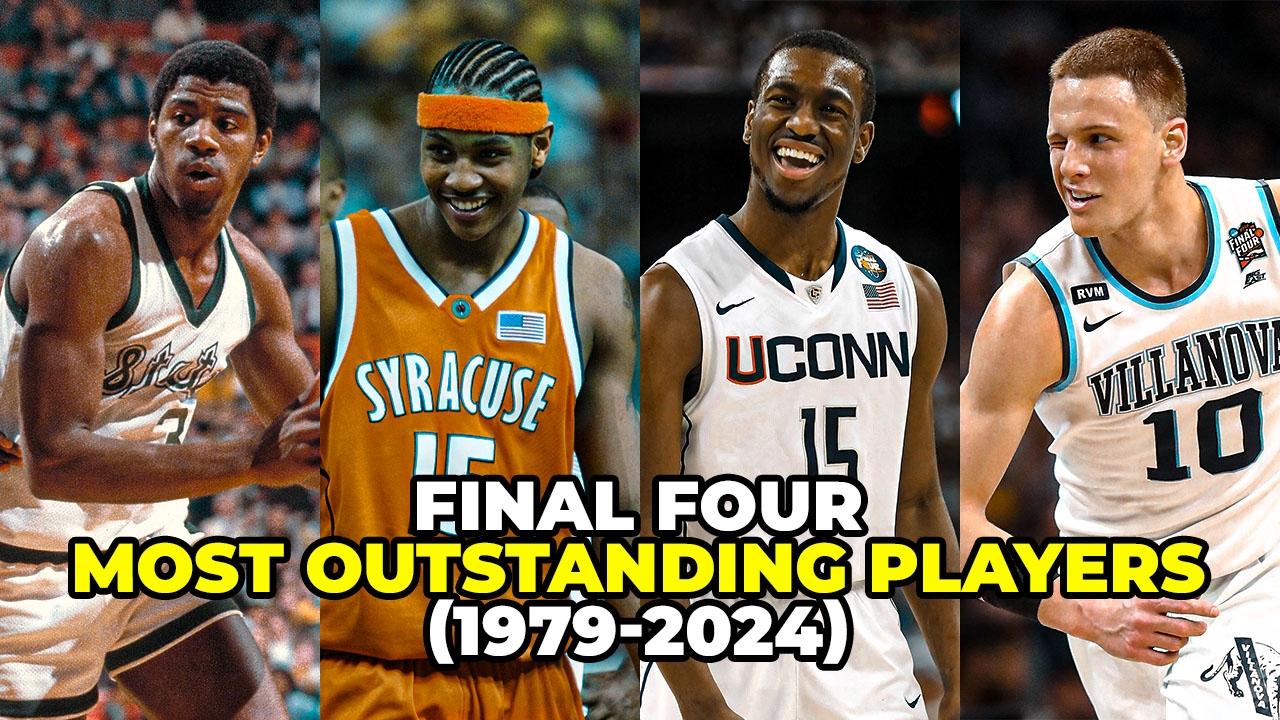
Throughout history, the list of Final Four MOP recipients reads like a hall of fame of college basketball legends. Many winners went on to successful careers in the NBA, while others remain iconic figures in college sports history.
Early Legends (1939–1960s)
Bob Kurland (1939, Oklahoma A&M): The first-ever recipient, Kurland was a dominant center whose shot-blocking and scoring prowess helped Oklahoma A&M win the inaugural NCAA tournament.
Bill Russell (1956, University of San Francisco): Though he was a sophomore at the time, Russell’s defensive dominance and rebounding were instrumental in USF’s back-to-back championships. He would become an NBA legend.
Bill Walton (1973, UCLA): Walton’s exceptional all-around play, including scoring, rebounding, and shot-blocking, led UCLA to its legendary seven consecutive titles.
The Era of Dominance (1980s–1990s)
Christian Laettner (1992, Duke): Famous for his clutch shot in the East Regional Final, Laettner’s performance in the Final Four helped Duke secure its first national title.
Shane Battier (2001, Duke): Known for his defensive prowess and leadership, Battier played a crucial role in Duke’s run to the championship.
Kemba Walker (2011, Connecticut): Walker’s electrifying scoring and leadership propelled UConn to a national title, earning him the MOP honors.
Recent Standouts (2000s–Present)
Kevin Love (2008, UCLA): Love’s rebounding, scoring, and leadership earned him the MOP as UCLA made a deep run.
Kyrie Irving (2011, Duke): Irving’s stellar all-around play and clutch moments made him the standout performer.
Jalen Brunson (2018, Villanova): Brunson’s leadership and clutch performances helped Villanova win the championship.
Obi Toppin (2021, Dayton): Toppin’s dominant scoring and rebounding in the tournament earned him the honor, though Dayton’s Cinderella run was cut short in the Elite Eight.
Trends and Patterns in the List of Winners
Analyzing the list of Final Four MOP recipients reveals intriguing trends:
Championship Correlation: Historically, the MOP often hails from the championship-winning team. Out of the 80+ winners, a significant majority played for the national champion, emphasizing the award’s association with team success.
Position Trends: Centers and forwards have frequently won the award, especially during the early decades, reflecting the dominant role of big men in traditional basketball. However, in recent years, guard and wing players have increasingly received the honor due to the evolving style of play emphasizing perimeter shooting and versatility.
Future NBA Stars: Many MOP recipients have gone on to successful NBA careers, underscoring the award’s role as a predictor of future stardom. For example, Bill Walton, Bill Russell, Christian Laettner, Kyrie Irving, and Jalen Brunson all transitioned to prominent NBA careers.
Clutch Performances: Several winners gained recognition for their performances in critical moments, such as Laettner’s buzzer-beater or Kyrie Irving’s scoring outburst in the 2011 championship.
Notable Final Four MOPs and Their Impact
Bill Walton (1973, UCLA)
Walton’s dominant play across the tournament, especially in the championship game against Memphis State, cemented his legacy. His leadership and versatility helped UCLA secure its seventh consecutive national title. Walton’s performance remains one of the most celebrated in NCAA history, and his subsequent NBA career only amplified his legendary status.
Christian Laettner (1992, Duke)
Laettner’s performance in the 1992 Final Four, notably his clutch shot against Kentucky in the Elite Eight and the game-winning basket in the Final against Michigan, epitomized his clutch gene. His leadership propelled Duke to its first-ever national championship, and his iconic moment remains etched in NCAA lore.
Kemba Walker (2011, Connecticut)
Walker’s electrifying scoring, including multiple 20-point games, led UConn to its fourth national title. His leadership and ability to elevate his game under pressure made him a standout, and his performance earned him the Final Four MOP.
Jalen Brunson (2018, Villanova)
Brunson’s scoring prowess and leadership guided Villanova to back-to-back championships. His clutch performances, including key shots and assists, underscored his importance and earned him the honor.
The Award’s Impact on Players’ Careers
Receiving the Final Four Most Outstanding Player award often serves as a springboard for professional success. While not all winners reach NBA stardom, many use the recognition as a platform to elevate their careers.
Enhanced Draft Stock: Players like Kyrie Irving and Jalen Brunson saw their stock rise significantly after their Final Four performances, translating into high draft positions.
Legacy and Recognition: The award cements players’ places in college basketball history, often immortalizing their performances in NCAA lore.
Motivation and Confidence: The recognition can boost players’ confidence and motivation, fueling their development at the professional level.
The Cultural Significance of the MOP Award
Beyond individual accolades, the Final Four MOP symbolizes the pinnacle of college basketball achievement. It often becomes a defining moment in players’ careers, linked forever with their legacy. For fans and historians, the list of MOP winners reads as a timeline of the sport’s evolution, capturing moments of brilliance, resilience, and leadership.
The award also highlights the importance of performance under pressure. The Final Four and championship game are unique stages where players face intense scrutiny, and the MOP’s performance often defines their careers and their teams’ histories.
The Enduring Legacy of the Final Four MOP
Since 1939, the Final Four Most Outstanding Player award has evolved from a simple recognition into a symbol of excellence, clutch performance, and leadership in college basketball. Its winners have often become legends, their performances etched into the sport’s history. The list of recipients reflects not only individual brilliance but also the shifting trends in playing styles, the importance of leadership, and the pathway from college stardom to professional success.
As the NCAA tournament continues to captivate millions each spring, the Final Four MOP remains a coveted honor, representing the pinnacle of collegiate achievement. Whether it’s a towering center blocking shots and rebounding or a dynamic guard orchestrating the offense, the award celebrates those moments of brilliance that define March Madness and leave lasting legacies.