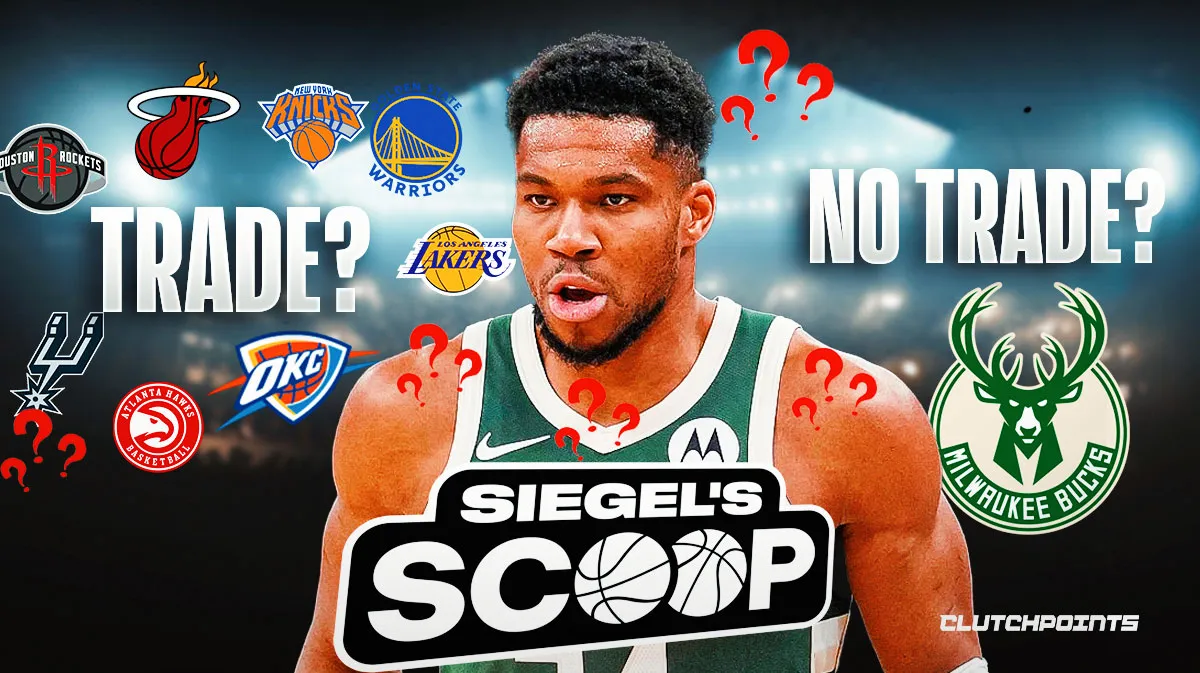
In the high-stakes world of the NBA, few players command as much attention and influence as Giannis Antetokounmpo. Known as “The Greek Freak,” Giannis has been the cornerstone of the Milwaukee Bucks since he was drafted in 2013, transforming the franchise into a perennial contender and capturing the league’s Most Valuable Player award multiple times. However, recent developments suggest that the future of Giannis in Milwaukee is suddenly uncertain. Trade rumors are swirling at an unprecedented level, fueled by reports of strained relations between Giannis and the Bucks’ front office—particularly concerning the handling of his late-season knee injury. These tensions, coupled with the potential for a trade, are having a significant impact not only on team dynamics but also on the secondary ticket market, which relies heavily on star power and team stability.
This extensive analysis explores the origins of these rumors, the underlying causes of the reported tensions, the potential implications for the Bucks’ future, and how all these factors influence ticket sales, fan engagement, and the franchise’s long-term positioning.
The Context: Giannis’s Impact and the Significance of His Future
Giannis Antetokounmpo’s influence on the Milwaukee Bucks extends beyond his exceptional on-court performances. As a two-time MVP, NBA champion, and one of the most marketable stars in the league, Giannis is the franchise’s face and a global ambassador for the sport. His presence drives ticket sales, merchandise revenue, sponsorship deals, and overall franchise visibility.
Losing Giannis would not only be a blow to the team’s competitive prospects but could also cause a significant decline in fan enthusiasm and revenue. Conversely, securing his long-term commitment and maintaining a positive relationship with him is critical to the Bucks’ sustained success and marketability.
The Origins of Trade Rumors and Friction
Trade rumors involving Giannis have existed periodically, but recent reports have escalated the narrative to a fever pitch. Several factors contribute to this heightened speculation:
Performance and Frustration Post-Playoffs: Despite the Bucks having enjoyed considerable success—including an NBA championship in 2021—disappointing playoff exits in recent seasons have led to questions about the team’s roster construction and coaching strategies. Some believe Giannis’s future could be influenced by whether the team can assemble a championship-caliber roster around him.
Injury Concerns and Management: Giannis suffered a late-season knee injury during the 2022–23 NBA season. The way the Bucks handled his injury, including decisions on rest, recovery, and return-to-play protocols, has reportedly created friction. Sources suggest that Giannis is frustrated with what he perceives as a lack of transparency or differing opinions on his health management, which has contributed to the growing tension.
Franchise Direction and Ambitions: Rumors indicate that Giannis might be contemplating his future if the franchise does not demonstrate a clear commitment to winning championships. His desire for a competitive roster and a culture of excellence could clash with management’s strategic plans, especially if they prioritize salary cap flexibility or roster rebuilds.
Front Office’s Perspective: The Bucks’ management, led by GM Jon Horst, has been described as cautious and strategic, focusing on roster building, salary management, and long-term sustainability. Some insiders speculate that this approach might conflict with Giannis’s championship-driven mindset, causing strains in their relationship.
League-Wide Market Dynamics: The NBA is increasingly a star-driven league, where the movement of top players can reshape competitive landscapes. The possibility of Giannis seeking a fresh start elsewhere has increased speculation, especially given the league’s history of star player movements.
The Impact of Tensions on the Secondary Ticket Market
Star players like Giannis are central to the economic health of the franchise’s ticket sales and overall market value. When rumors of a potential trade or strained relationships surface, the secondary ticket market—comprising resale platforms like StubHub and SeatGeek—responds rapidly.
How Tensions Affect Ticket Demand
Decreased Confidence Among Fans: Fans who purchase tickets with the hope of seeing Giannis play are likely to feel uncertain about the team’s future. Rumors of a trade diminish the perceived value of attending games, especially if there’s a chance they might see the star leave soon.
Price Fluctuations: Secondary market prices for Bucks tickets could decline as fans and speculators anticipate a possible roster overhaul or Giannis’s departure. Conversely, if the team’s management attempts to reassure fans or if Giannis publicly commits to staying, prices might stabilize or even rise.
Speculative Buying: Some fans and investors purchase tickets in hopes of flipping them if rumors turn out to be false or if Giannis remains with the team. This speculative activity can cause volatility in ticket prices.
Impact on Revenue: If ticket prices decline significantly, the Bucks could face reduced revenue from game-day sales, concessions, and merchandise. Additionally, diminished fan enthusiasm can hurt sponsorship deals and overall franchise valuation.
The Broader Market Implications
The secondary market’s reactions serve as a barometer of fan sentiment and perceived franchise stability. An environment of uncertainty surrounding Giannis could lead to a temporary dip in ticket sales, affecting the Bucks’ revenue streams and potentially influencing management’s strategic decisions.
Potential Scenarios for Giannis’s Future
Given the current climate, several scenarios could unfold regarding Giannis Antetokounmpo’s future with the Bucks:
1. Giannis Remains with the Bucks and Signs an Extension
In this optimistic scenario, Giannis reconfirms his commitment to Milwaukee after internal discussions, contract negotiations, and a mutual understanding of the franchise’s vision. The team emphasizes transparency and addresses his concerns about injury management and roster competitiveness.
Implications:
Stability on and off the court: The team can focus on building a championship-contending roster.
Fan confidence restored: Ticket demand stabilizes or increases, especially if Giannis publicly endorses the franchise’s future plans.
Market recovery: Secondary ticket prices could rebound, reflecting renewed fan optimism.
2. Giannis Requests a Trade
In a more tumultuous outcome, Giannis, feeling betrayed or frustrated, requests a trade to a preferred destination. This could be motivated by perceived neglect regarding his injury, roster concerns, or dissatisfaction with franchise direction.
Implications:
Massive fan disappointment: The Bucks’ fan base may experience a sense of betrayal, leading to decreased attendance and engagement.
Market impact: Ticket prices plummet, and resale values decline sharply.
Franchise reputation: The team may face criticism and a need to rebuild trust with fans.
Potential for a rebuild: The Bucks could pivot toward a roster rebuild or retooling around new stars.
3. A Mediated Resolution and Reconciliation
Alternatively, the Bucks’ management and Giannis could engage in negotiations to resolve the tensions, with the team offering assurances, improved injury protocols, or roster changes to satisfy Giannis’s ambitions.
Implications:
Temporary uncertainty: Fans may remain cautious until a clear resolution is reached.
Market stability: Ticket prices may remain volatile but could recover quickly once confidence is restored.
Long-term prospects: If successful, this scenario preserves the franchise’s core and maintains market stability.
The Broader NBA Context
The Giannis situation echoes broader trends across the NBA, where star players wield significant influence over franchise stability and market dynamics. The league has seen high-profile trades and player movements reshape entire conferences and rivalries.
Giannis’s potential departure would be a seismic event not only for Milwaukee but also for the league’s landscape. It could trigger a chain reaction of trade discussions, team rebuilds, and shifts in competitive balance.
Additionally, the league’s increasing emphasis on player empowerment, fueled by social media and contract structures, has emboldened stars like Giannis to voice their concerns and leverage their value.
Fan Engagement and Future Outlook
For the Bucks, maintaining a positive relationship with Giannis is crucial for long-term success. The franchise’s ability to navigate this turbulent period will determine not only their on-court fortunes but also their brand strength and revenue performance.
Strategies to Mitigate Market Impact:
Transparent Communication: Keeping fans informed and engaged can help maintain trust.
Incentivizing Attendance: Offering promotions, special events, or exclusive content can sustain ticket demand.
Focus on Roster Development: Building around existing stars or acquiring new talent can reassure fans about future competitiveness.
Leveraging Other Stars: Highlighting other key players and upcoming prospects can sustain excitement.
The ongoing trade rumors and reports of tension between Giannis Antetokounmpo and the Milwaukee Bucks’ front office represent a critical juncture for the franchise. While the situation remains fluid, the implications are profound—impacting team performance, fan sentiment, ticket sales, and the franchise’s long-term trajectory.
Giannis’s status as a franchise icon makes his future a pivotal factor in the Bucks’ plans. Whether he remains with Milwaukee or seeks a new destination, the league and its fans are watching closely. The way the Bucks manage this delicate situation—through transparent communication, strategic roster moves, and an unwavering commitment to excellence—will shape their destiny in the coming years.
In the end, star players like Giannis are more than just athletes; they are integral to the identity, success, and economic health of their franchises. Navigating this complex landscape requires careful diplomacy, strategic vision, and a deep understanding of both basketball dynamics and market forces.