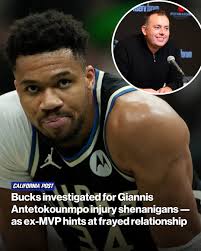
In professional sports, transparency and trust between players, teams, and leagues are paramount. Recently, the NBA launched an investigation into the Milwaukee Bucks amid conflicting statements regarding superstar Giannis Antetokounmpo’s health status. This controversy has sparked widespread concern among fans, ticket holders, and analysts, who worry about the franchise’s transparency, roster stability, and future prospects.
This detailed exploration delves into the origins of the investigation, the specifics of the conflicting statements, the potential motivations behind the discrepancies, and the broader impact on team dynamics, fan confidence, and league integrity. Additionally, it examines how such controversies influence the secondary ticket market, fan engagement, and the league’s efforts to maintain transparency and trust.
The Context: Giannis Antetokounmpo’s Role and the Importance of Transparency
Giannis Antetokounmpo has become the linchpin of the Milwaukee Bucks, both on and off the court. As a multiple-time MVP, NBA champion, and franchise cornerstone, his health and availability are critical to the team’s success. Fans and ticket holders invest heavily in their support, often purchasing tickets in anticipation of star players performing at their best.
Transparency regarding player health is not merely a matter of internal team management; it directly influences fan confidence, ticket sales, sponsorships, and the franchise’s reputation. When discrepancies or inconsistencies arise, especially publicly, they can undermine trust and create uncertainty about the team’s future.
The Timeline of Events: From Giannis’s Statements to the NBA Investigation
The controversy began in early April when Giannis Antetokounmpo publicly declared his readiness to return to play. During interviews and press conferences, he emphasized that he was feeling healthy and prepared to rejoin the team for the stretch run of the season. His statements fueled optimism among fans and analysts, who eagerly anticipated his return for crucial playoff push.
However, despite Giannis’s assertions, the Bucks continued to keep him sidelined, citing ongoing assessments of his recovery, precautionary measures, or strategic decisions to protect his long-term health. As the weeks progressed, fans noticed the discrepancy: Giannis insisted he was ready, but the team withheld him from game participation.
This inconsistency prompted speculation and concern. Some fans and media outlets questioned whether the team was hiding injury severity or delaying his return for strategic reasons unrelated to his health. The situation escalated when reports emerged that the NBA was scrutinizing the Bucks over potential “inconsistent statements” regarding Giannis’s medical status.
The league’s investigation aimed to determine whether the team provided misleading information to players, media, and fans, which could violate league transparency policies or ethical standards. Such investigations are standard in high-profile cases where public trust is at stake, especially when player health disclosures are involved.
The Core of the Discrepancy: What Was Said vs. What Happened?
At the heart of this controversy lies the conflicting communication: Giannis’s public declarations versus the team’s withholding of him from game action.
Giannis’s Perspective:In early April, Giannis emphasized that he was “feeling great,” “ready to contribute,” and “prepared to play.” These statements were made during interviews, social media posts, and press conferences, reflecting his personal assessment of his health. His enthusiasm and confidence suggested he believed he was cleared for competition.
The Team’s Position:Meanwhile, the Bucks maintained a cautious stance. Official statements from team management indicated that Giannis was still undergoing assessments, that his return was subject to medical clearance, and that they prioritized his long-term health over immediate gameplay. The team’s medical staff reportedly expressed concerns about the risk of re-injury or setbacks, leading to his continued sidelining.
The Contradiction:The discrepancy arises because Giannis’s public statements appeared to conflict with the team’s cautious approach. Fans and analysts questioned whether Giannis’s assessment was overly optimistic or whether the team was intentionally withholding him to manage roster decisions or other strategic considerations.
Motivations and Underlying Factors
Understanding the motivations behind these conflicting statements requires examining multiple angles:
Player Perspective:Giannis, as a competitor and franchise leader, naturally wants to contribute and help his team. His statements about being ready could stem from genuine confidence or a desire to motivate teammates and fans. Alternatively, he might have been unaware of the full medical assessment details or was expressing his personal feelings.
Team Management’s Perspective:The Bucks’ management and medical staff are tasked with ensuring player safety and long-term health. Their cautious approach may be motivated by genuine medical concerns, league regulations, or strategic considerations—such as preserving Giannis for a playoff run or avoiding further injury.
Strategic Considerations:Teams sometimes withhold star players to maintain competitive advantage or manage roster flexibility. There may have been internal discussions about whether Giannis’s return would risk setbacks or impact playoff positioning.
League Regulations and Transparency Policies:The NBA emphasizes transparency regarding player health, especially concerning injuries that could impact competitive integrity. The league’s investigation suggests concerns that the Bucks might have provided misleading information, intentionally or unintentionally, violating league policies.
Broader Implications: Trust, Fan Confidence, and Market Impact
The controversy has significant implications beyond internal team dynamics. It affects fan trust, ticket sales, and the league’s reputation.
Fan Confidence:Fans invest emotionally and financially in their favorite teams. When they perceive a lack of transparency, especially regarding star players’ health, their trust diminishes. This can lead to decreased attendance, lower merchandise sales, and skepticism about future disclosures.
Ticket Market Dynamics:Secondary ticket markets are highly sensitive to team stability and player availability. Rumors of injury mismanagement or lack of transparency can cause ticket prices to fluctuate or decline, as fans become hesitant to purchase tickets if they believe star players may not participate.
Long-term Franchise Health:Trust is vital for sustained fan engagement. A perception that the team is hiding injury information or manipulating player status can damage the franchise’s reputation, making future negotiations, sponsorships, and fan loyalty more challenging.
League Reputation:The NBA’s integrity relies on transparent communication. Investigations into such controversies aim to uphold league standards, reinforce ethical practices, and maintain the sport’s credibility.
Potential Outcomes of the Investigation
The NBA’s investigation could lead to several possible outcomes:
Clearance and No Penalties:If the league finds that the Bucks acted within league policies and that any discrepancies were due to honest mistakes or medical uncertainties, no penalties or sanctions may be imposed. The investigation could serve as a reminder for improved transparency.
Findings of Misconduct or Misleading Information:If the league determines that the Bucks intentionally provided misleading information or violated transparency rules, consequences could include fines, sanctions, or league-mandated policy changes.
Reputational Damage and Public Relations Challenges:Regardless of the outcome, the controversy can tarnish the team’s and league’s reputation if perceived as mishandling player health disclosures.
Broader Lessons and Future Considerations
This incident underscores the importance of transparency and communication in professional sports. Teams must balance medical confidentiality, strategic interests, and fan trust. The league’s role in enforcing standards and investigations is crucial to maintaining integrity.
Furthermore, the situation highlights the need for clear protocols and communication strategies regarding injury disclosures. Transparent, consistent messaging can help prevent misunderstandings, mitigate fan unrest, and protect the league’s reputation.
The NBA’s investigation into the Milwaukee Bucks over conflicting statements about Giannis Antetokounmpo’s health encapsulates the complex intersection of player welfare, team strategy, league integrity, and fan engagement. As the league examines the details, the outcome will influence not only the Bucks’ future but also set a precedent for transparency standards across the NBA.
For fans, ticket holders, and stakeholders, trust remains paramount. The resolution of this controversy will determine whether the Bucks can restore confidence, maintain their star’s health and reputation, and continue building a competitive and transparent franchise. Ultimately, this incident serves as a reminder that in professional sports, honesty and open communication are as vital as athletic excellence.