In the world of professional sports, few narratives are as compelling—and as fraught—with complexity—as the relationship between a star player and his franchise. The Milwaukee Bucks and their superstar, Giannis Antetokounmpo, once epitomized mutual trust, success, and shared ambition. However, recent developments suggest that cracks are forming in this once-solid foundation. The latest chapter in this unfolding story involves Giannis missing the end of the season due to a bone bruise, with the star player asserting he was ready to play, while Bucks medical staff maintained he should be sidelined. This divergence in perspectives has deepened the rift, raising questions about communication, trust, and the future direction of the franchise.
The Context: Giannis’ Injury and the Bucks’ 2024-2025 Season
Giannis Antetokounmpo, often referred to as the “Greek Freak,” has been the cornerstone of the Bucks since he arrived in Milwaukee. His combination of size, skill, and relentless work ethic transformed the franchise into a perennial playoff contender and a legitimate NBA championship threat. The 2024-2025 season was no different; Giannis continued to be the driving force behind the team’s success.
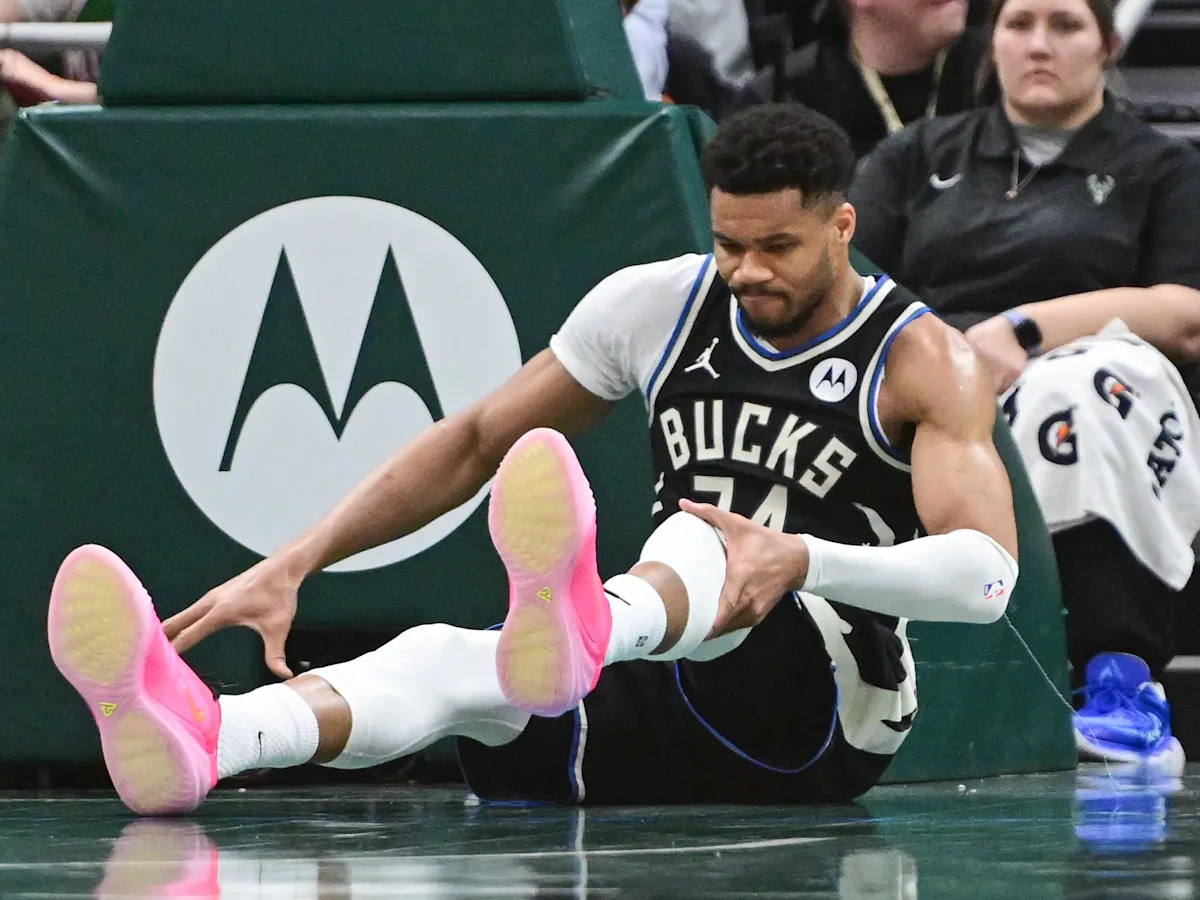
However, late in the season, Giannis suffered a bone bruise—a common yet potentially serious injury that can impact a player’s mobility and overall performance. The injury initially appeared manageable, but as the season drew to a close, questions emerged regarding his availability for the postseason and beyond.
The Dispute: Giannis Claims Readiness, Bucks Medical Staff Sidelines Him
The core of the controversy centers on Giannis’s assertion that he was physically prepared to return to play, while the Bucks’ medical team maintained that he should remain sidelined for further recovery. This disagreement has fueled speculation about the underlying causes and motives.
Giannis, who has historically been open and communicative with fans and media, expressed frustration publicly, emphasizing his desire to help his team and his belief that he was ready. He reportedly felt that his pain and mobility had improved sufficiently, and he was eager to contribute on the court during crucial playoff moments.
Conversely, team doctors and medical staff, who are tasked with prioritizing player health and long-term durability, argued that rushing Giannis back could risk aggravating the injury or causing further damage. They pointed to imaging results, physical assessments, and established protocols, which led them to recommend continued rest and rehabilitation.
This divergence represents more than just a medical disagreement; it touches on issues of trust, communication, and control between the player and the organization.
The Historical Relationship Between Giannis and the Bucks
Giannis’s relationship with the Bucks has historically been characterized by mutual respect and a shared vision of building a championship-caliber team. The franchise invested heavily in his development, offering a supermax extension that made him the highest-paid player in the league at the time. The organization’s commitment was evident in their roster-building efforts, coaching staff, and strategic direction.
However, as with many star-player relationships, tensions can surface when injury management, playing time, or team decisions are perceived as misaligned with a player’s best interests. In Giannis’s case, his injury and subsequent sidelining have become flashpoints, testing the trust built over years.
The Broader Context: Player Autonomy vs. Medical Authority
This situation also highlights a broader debate prevalent in professional sports: the tension between athlete autonomy and medical authority. Players like Giannis, who have spent years shaping their careers and understanding their own bodies, often feel confident in their assessments of readiness. Yet, teams and medical personnel are responsible for safeguarding players’ health and ensuring long-term viability.
In recent years, this dynamic has become more prominent, with players pushing back against organizations perceived as overly cautious or risk-averse. The NBA has seen several instances where star players have publicly clashed with teams over injury management, contract negotiations, or playing decisions.
For Giannis, asserting his readiness can be viewed as a desire for agency and trust in his own judgment. For the Bucks, maintaining control over medical decisions is essential to prevent catastrophic injuries that could jeopardize the franchise’s future.
The Impact on the Bucks’ Playoff Run and Future Outlook
The immediate consequence of this disagreement is the Bucks’ diminished postseason prospects. Giannis, as the heart and soul of the team, has an outsized influence on the team’s success. His absence, especially during critical playoff moments, severely hampers the Bucks’ ability to compete at the highest level.
The team’s performance in the playoffs has been affected by this controversy, with some analysts suggesting that the internal discord has contributed to inconsistent play and a lack of cohesion. The Bucks, who had high hopes for a deep playoff run, now face an uncertain future, with questions about their ability to contend without their star.
Long-term, the injury management dispute raises concerns about Giannis’s relationship with the franchise. If trust erodes further, it could influence contract negotiations, player retention, and the team’s overall culture. The Bucks’ ownership and management face the challenge of repairing this fractured relationship while balancing medical advice, player autonomy, and organizational stability.
The Players’ Perspective: Giannis’s Side
Giannis’s stance is rooted in his desire to compete and his confidence in his physical condition. Known for his work ethic and competitive nature, Giannis views himself as a player capable of making independent decisions about his body. His frustration likely stems from feeling that his commitment and readiness are being questioned or dismissed.
He has also expressed a strong desire to contribute to the team’s success, especially during a crucial postseason. For Giannis, this situation underscores a broader issue of respect and trust—he wants to be recognized as capable and responsible for his health.
The Management’s Perspective: Medical Staff and Ownership
On the other hand, the Bucks’ medical team emphasizes their responsibility to protect players from long-term damage. Their assessments are based on imaging, physical exams, and medical protocols designed to prevent re-injury.
Team ownership and management are also tasked with balancing short-term success against long-term health and financial considerations. Rushing a star back from injury can be risky, potentially leading to more severe setbacks and affecting future seasons.
The decision to sideline Giannis, therefore, reflects a cautious approach aimed at safeguarding the franchise’s assets and the player’s future.
The Role of Communication and Trust
At the heart of this dispute lies the critical issue of communication. Effective dialogue between players, medical staff, and management is essential to navigate injury recovery successfully. When trust breaks down or transparency is lacking, conflicts tend to escalate, damaging relationships and team chemistry.
In this case, reports suggest that Giannis felt his concerns were not adequately addressed, while the medical team believed they were acting in his best interest. Rebuilding trust will require honest conversations, mutual respect, and a shared understanding of priorities.
The Broader NBA Landscape: Similar Situations and Lessons Learned
The Giannis-Milwaukee conflict is not isolated; the NBA has seen similar disputes in recent years. For example:
Kawhi Leonard’s injury management controversy with the San Antonio Spurs: Leonard’s desire to play and the team’s cautious approach led to public disagreements and strained relations.
Zion Williamson’s injury setbacks with the New Orleans Pelicans: Situations where player health and team management have clashed over recovery timelines.
LeBron James and team doctors in Cleveland: Occasionally clashed over injury management decisions.
These examples illustrate the delicate balance teams must strike between protecting players and respecting their autonomy. Successful navigation requires clear communication, transparency, and mutual trust—elements that seem to be lacking in the current Giannis situation.
Potential Resolutions and What Lies Ahead
Resolving this dispute involves multiple steps:
Open Dialogue: Both sides need to engage in honest conversations to understand each other’s perspectives and priorities.
Medical Transparency: Sharing detailed assessments and data can help build trust.
Compromise: Finding a middle ground that respects Giannis’s desire to play while ensuring his health is safeguarded.
Long-term Planning: Establishing protocols for injury management and communication for future incidents.
Focus on Team Unity: Rebuilding cohesion and ensuring that disagreements do not spill over into locker room morale.
The NBA and the Bucks organization will also need to consider how this controversy impacts team culture and public perception. Demonstrating a commitment to player health and fostering respectful relationships can help repair damaged trust.
The Future of Giannis and the Bucks
Looking ahead, the relationship between Giannis and the Bucks remains pivotal for the franchise’s future. Giannis has expressed a desire to remain in Milwaukee long-term, but his relationship with the organization must be built on mutual respect and trust.
If the current tensions are resolved constructively, it can serve as an opportunity for growth—strengthening communication, clarifying expectations, and reinforcing a culture of transparency. Conversely, if disagreements persist or escalate, they could threaten Giannis’s future with the franchise.
A Crossroads for the Franchise
The dispute between Giannis Antetokounmpo and the Milwaukee Bucks over his injury has become emblematic of larger issues within professional sports—player autonomy, medical decision-making, trust, and communication. As Giannis claims he was ready to return while the team’s medical staff maintained he should stay sidelined, the situation underscores the fragility of relationships that once seemed unbreakable.
For the Bucks, the immediate concern is navigating this controversy while trying to salvage their playoff hopes. For Giannis, it’s about asserting his agency and protecting his health for the long term.
Ultimately, how this situation unfolds will have lasting implications—not just for the current season but for the franchise’s culture and Giannis’s future in Milwaukee. It serves as a reminder that beyond the game’s on-court battles, the most critical contests are often fought in the relationships and trust shared by players, coaches, and management.