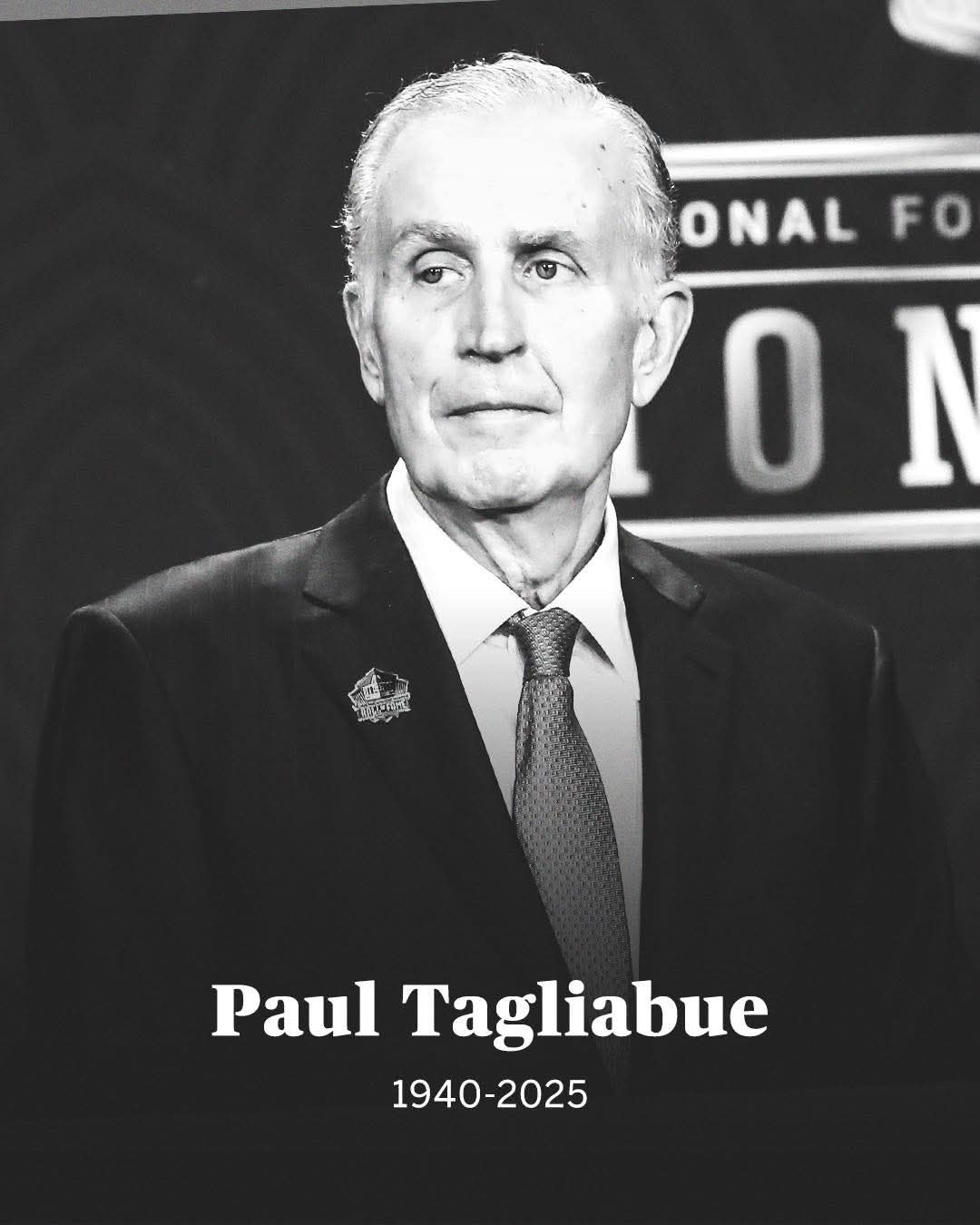
Paul Tagliabue’s death this morning in Chevy Chase, Maryland, at the age of eighty‑four, marks the end of an era in the National Football League. His family reported that the apparent cause of death was heart failure complicated by Parkinson’s disease. He is survived by his wife Chandler (often called Chan), his daughter Emily, and his son Drew.
Tagliabue’s life reads like a story of steady leadership and principled stewardship. Long before he became commissioner, he built a foundation of expertise as a lawyer: after earning his undergraduate degree from Georgetown University and his law degree from New York University, he joined the law firm Covington & Burling, where he worked closely with the NFL. His legal mind and deep understanding of the league’s inner workings paved the way for his rise to the top job. In November 1989, he succeeded Pete Rozelle as the NFL’s fifth commissioner, and he held that role until September 2006.
During his 17-year tenure, Tagliabue presided over a transformative period for the NFL. Under his leadership, the league expanded from 28 teams to 32, integrating new franchises like the Carolina Panthers, Jacksonville Jaguars, the reborn Cleveland Browns, and the Houston TexansJournal) He negotiated blockbuster television deals that flooded the league with revenue, ushered in a wave of modern stadium construction, and helped modernize the league office’s business operations, preparing the NFL to leverage cable, satellite, and the early internet. (SI)
Tagliabue also guided the NFL through turbulent moments in national history. After the terrorist attacks of September 11, 2001, he made the solemn decision to cancel that weekend’s games, a gesture of unity and respect in deep mourning. (SI) In the wake of Hurricane Katrina in 2005, he played a key role in ensuring the New Orleans Saints’ survival, advocating for their return to the city and helping to restore a sense of normalcy for a grieving community. (SI)
Beyond the boardroom and crisis management, Tagliabue was known for his calm demeanor, humility, and a quiet but firm conviction in doing what was best for the game. Current Commissioner Roger Goodell, who succeeded him, paid tribute, saying, “Paul was the ultimate steward of the game — tall in stature, humble in presence and decisive in his loyalty to the NFL.”) Goodell also emphasized that Tagliabue saw every challenge through the lens of what would serve the greater good — a principle he inherited from his predecessor, Rozelle, and passed on to the next generation. (SI)
Yet Tagliabue was not without his critics. Over time, some scrutinized his handling of the growing concern about concussions and player safety, suggesting he could have done more sooner.Still, his contributions were deeply felt and broadly respected. He helped institutionalize practices that would later shape the league’s approach to diversity, inclusion, and substance abuse policy, and laid the groundwork for the NFL’s global brand. (SI) In recognition of his impact, he was elected into the Pro Football Hall of Fame as a contributor in the league’s centennial class in 2020.
Off the field, he was a devoted family man. He and Chandler were married for around sixty years, and his children, Drew and Emily, were central to his life. His passing prompted an outpouring of grief not just from the NFL hierarchy but from across the football world. Teams, executives, players, and fans alike mourned the loss of a leader who combined business acumen with a genuine care for the sport and its people. (NFL.com)
Reflecting on his legacy, many note that he presided over not just a period of financial expansion, but the maturation of the NFL into a culturally dominant institution. He understood football not merely as a business, but as a community asset — a unifying force that could respond to tragedy, build hope, and foster belonging.
His death was confirmed by his family, and the league publicly shared its condolences soon after. Tributes came from all corners: from other commissioners — including those in other sports, like NBA Commissioner Adam Silver, who said Tagliabue was a “mentor and friend” — to team owners, players, and fans who recognized that his steadiness and vision shaped the NFL into what it is today.
The cause of death — heart failure complicated by Parkinson’s disease — had been shared by his family, underscoring how, in his final years, he contended with a serious illness even as he remained a respected figure in football. Though he battled illness privately, his legacy is public, enduring, and deeply woven into the tapestry of the sport.
He left this world in the same measured, principled way that he led: without fanfare, but with profound impact. As the NFL and its community reflect on his life, they honor not only the commissioner, but the man — one whose steady hand guided the league through change, challenge, and growth. In mourning his loss, they also celebrate the foundation he built: a stronger, more stable, and more inclusive league. His influence will continue to be felt, his absence deeply felt, and his memory rightly cherished by all who care about the game he helped shape.